
Call: +91 91723 33437 Email: export@pearlshims.com Address: Mumbai, India
0%

Choosing the Best Coated Fasteners Manufacturer in China takes more than comparing prices and product photos. A dependable supplier should explain its coating options, base materials, production controls, and inspection process in clear terms. Coated Fasteners may look similar in a catalog, yet coating thickness, surface preparation, and application quality can affect corrosion resistance and assembly performance.

For buyers, practical evidence matters. Ask for material certificates, coating specifications, and test reports that identify the method and conditions used. Salt-spray results are useful only when their testing details are stated. Check whether the manufacturer can produce the required screw, bolt, or washer dimensions consistently, and whether samples match the agreed finish. A neat sample is a start, not proof of long-term performance.

This guide outlines how to compare Chinese manufacturers by product range, quality assurance, customization, communication, and delivery capability. It also highlights questions worth asking before placing an order, such as how coating defects are handled and how batch records are maintained. Small details matter. A supplier’s response to a technical question can reveal as much as a brochure. Still, no checklist guarantees a perfect fit; the right choice depends on the fastener’s environment, specification, and intended use. A careful review helps buyers make a more informed decision.
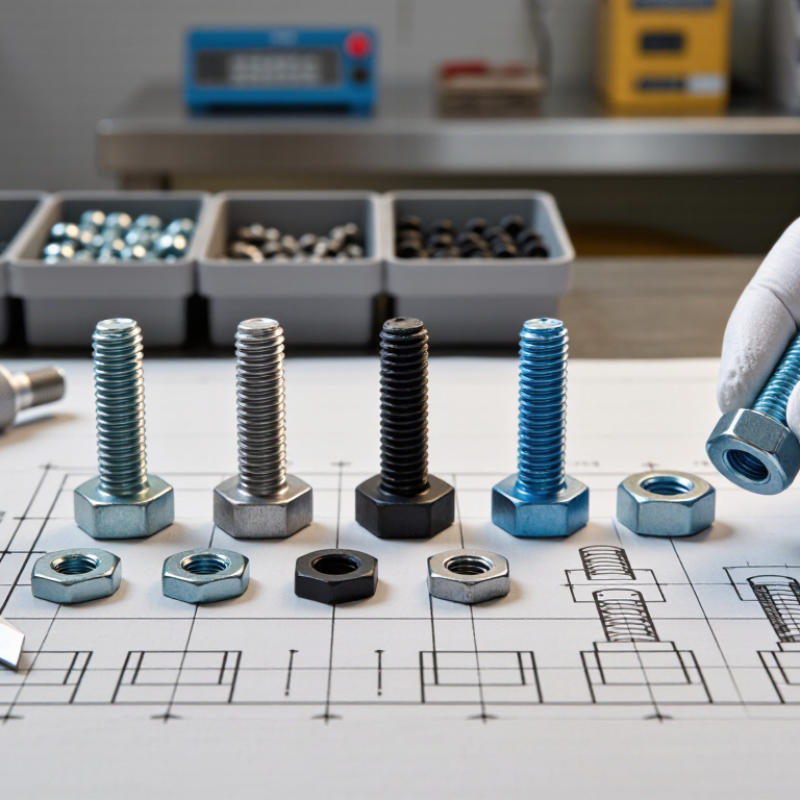
Best Coated Fasteners Manufacturer in China?

What Coated Fasteners Are and Where They Are Used

Coated fasteners are bolts, screws, and nuts finished with a protective layer to slow corrosion, reduce friction, or improve appearance. Common coatings include zinc, zinc-flake systems, and polymer finishes. The right choice depends on the base metal, exposure, and assembly requirements. A bolt beside a coastal handrail faces very different conditions from one inside dry machinery.

These fasteners are widely used in construction, transport, agricultural equipment, and outdoor installations. They help protect steel connections exposed to rain, road salts, humidity, or industrial moisture. The NACE IMPACT study estimated that corrosion costs the global economy about US$2.5 trillion annually, or 3.4% of global GDP. It also reported that better corrosion-control practices could reduce those costs by 15–35%. That scale matters.

A coating is not a cure-all. Thick finishes can affect thread fit, while lubricious coatings may change tightening torque and clamp load. Engineers should check coating specifications, fastener dimensions, and the service environment before selecting a finish. Salt spray results can help compare products, but they do not perfectly predict years of field exposure. In practice, even a well-coated fastener can fail if water becomes trapped around the joint.

Common Coating Types and Their Protective Properties

Fastener coatings do more than change a bolt’s color. They influence corrosion resistance, friction, and assembly fit. Electroplated zinc is common for indoor or mildly damp conditions. Its thin layer provides sacrificial protection, but scratches and prolonged moisture can expose the steel beneath. Details matter.

Zinc-flake coatings form a layered barrier and often suit automotive or outdoor assemblies. They can offer strong corrosion protection without the hydrogen-embrittlement risk associated with some electroplating processes, though performance depends on the coating system and application. Hot-dip galvanizing leaves a thicker zinc layer for exposed steel structures. That thickness can complicate tight threads, so mating parts must be specified accordingly. A selection table can make this seem settled; real assemblies are less tidy.

Phosphate coatings mainly improve paint adhesion and provide temporary protection, rather than serving as a durable standalone barrier. PTFE-based finishes reduce friction, which can help control installation torque, but they do not automatically prevent corrosion. Ask for coating thickness, friction data, and test conditions—not just a salt-spray result. Not a service-life promise. Exposure, damaged edges, and installation practices still matter.

Best Coated Fasteners Manufacturer in China? - Common Coating Types and Their Protective Properties

Coating Type Typical Application Process Typical Coating Thickness Protective Properties Key Considerations
Electroplated Zinc Electrochemical deposition of zinc onto the fastener, commonly followed by passivation. Approximately 5–25 μm, depending on the specification. Provides a zinc barrier and sacrificial protection for steel. Suitable for indoor and mildly corrosive environments when matched to the required specification. Thin deposits offer limited protection in harsh outdoor or marine exposure. Plating processes can introduce hydrogen; suitable controls and fastener requirements should be considered.
Hot-Dip Galvanizing Steel fasteners are immersed in molten zinc, forming a metallurgically bonded zinc coating. Often approximately 40–85 μm; actual requirements vary with fastener size and the applicable standard. The comparatively thick zinc layer provides barrier protection and sacrificial protection, making it useful for many outdoor and infrastructure applications. Coating thickness can affect thread fit. Nuts and bolts are commonly manufactured or specified with compatible oversize threads; confirm the required standard and assembly allowance.
Zinc Flake Non-electrolytic coating applied by dip-spin or spray, then cured; may include a sealer or topcoat. Commonly around 5–15 μm for the coating system, depending on product and specification. Offers sacrificial corrosion protection with relatively low coating thickness. Non-electrolytic application avoids the electroplating-related hydrogen charging process. Corrosion resistance depends on the complete coating system, application quality, and test requirements. Check friction characteristics where controlled tightening is important.
Zinc-Nickel Electroplating Electrochemical deposition of a zinc-nickel alloy, typically followed by passivation and sometimes a sealer. Often approximately 5–15 μm, subject to the specified system. Can provide improved corrosion resistance compared with conventional zinc plating while retaining sacrificial protection. Performance depends on alloy composition, deposit quality, post-treatment, and the required test method. Specify the full coating system rather than thickness alone.
Phosphate Conversion Coating Chemical conversion treatment, commonly zinc phosphate or manganese phosphate, often used with oil or another supplementary finish. Typically a thin conversion layer, often approximately 1–15 μm. Improves lubricant retention and can support wear or friction control. The phosphate layer can provide limited temporary corrosion protection when used with oil. Phosphate alone is generally not intended as a durable corrosion barrier for severe outdoor exposure; protection depends substantially on the supplementary oil or finish.
PTFE-Based Coating Polymer coating applied by spray or dip and cured; may be formulated as a low-friction coating system. Varies by product and application; specified system thickness should be confirmed with the coating supplier. Can reduce friction and provide a barrier against moisture and some chemicals, depending on the coating formulation. Not all PTFE-based coatings provide the same corrosion performance. Check temperature limits, chemical compatibility, adhesion, and torque-tension requirements.

Note: Thickness ranges are indicative, not acceptance limits. Corrosion performance varies with the coating system, substrate, surface preparation, fastener geometry, installation, exposure conditions, and test method. Confirm the applicable standard and project requirements before selection.

How Coated Fasteners Are Manufactured and Quality-Tested

Coated fasteners begin with steel wire or bar, which is cut, headed, and threaded to the required dimensions. The parts are then cleaned to remove oil, scale, and residue. A clean surface helps the coating bond evenly. Small defects can cause trouble later. Depending on the application, manufacturers may use zinc flake, electroplating, or another specified coating. Each method requires controlled application and curing. Temperature and time matter. A process sheet may look complete, yet small variations can still affect the finish.

Quality checks start with dimensions and visual inspection. Inspectors look for bare patches, blisters, uneven color, and damaged threads. Coating thickness is measured with suitable gauges, while adhesion checks help reveal poor bonding. Fasteners also need to assemble correctly. A coating that is too thick can change thread fit or torque behavior. This detail is easy to underestimate.

Testing should match the intended use. Salt-spray tests can compare corrosion resistance under defined conditions, but they do not predict exact service life outdoors. Where relevant, manufacturers may also check hardness, tensile strength, and resistance to hydrogen embrittlement. Test results are most useful when tied to a clear specification and recorded by batch. No coating is perfect; handling and installation can still damage it. That part deserves attention too.

Criteria for Evaluating Fastener Manufacturers in China

Best Coated Fasteners Manufacturer in China?

Criteria for Evaluating Fastener Manufacturers in China

Choosing a coated fastener manufacturer takes more than comparing prices. Start with the fastener’s job: its base material, thread form, dimensions, and expected environment. Ask which coating system is offered and how coating thickness is checked. A coating that performs well outdoors may not suit every assembly. Small details matter. Salt-spray results are useful for comparison, but they do not guarantee performance in every real-world setting.

Review how the manufacturer controls production and verifies finished parts. Request inspection records, material details, and batch traceability for the items you plan to buy. Check sample fasteners for consistent coating, clean threads, and smooth installation. Ask how rejected parts are handled and whether test results match the agreed specification. A neat sample is encouraging, but one sample cannot reveal every process weakness. I would not treat a low quote as proof of poor quality, either; compare evidence before deciding.

How to Select a Coated Fastener Supplier for Your Project

Choosing a coated fastener supplier starts with service conditions, not catalog promises. Record the substrate, thread size, temperature, moisture, and installation method. Ask which coating standard and process controls apply. ISO 10683 covers non-electrolytically applied zinc-flake coatings; ISO 4042 addresses electroplated coatings. They are not interchangeable. Request batch-specific certificates, corrosion-test results, and friction data when torque matters. A shiny sample tells little.

Corrosion has a measurable cost. NACE International’s 2016 IMPACT study estimated global corrosion costs at US$2.5 trillion, or about 3.4% of world GDP. It also identified potential savings of 15–35% through corrosion-management practices. This is not a fastener-only figure, but it shows why the lowest unit price may mislead. Ask about test methods, duration, and sample size. For critical joints, trial-install a small batch. Check thread fit, coating damage beneath the head, and torque variation. Real parts can surprise you.

Tips: Send a drawing and a written exposure profile. Compare salt-spray results only when test standards and endpoints match. Confirm traceability, lead times, and change-notification procedures. One lab result can be reassuring, but field conditions may differ.

Choosing a Coated Fastener Supplier: Start with the Corrosion Environment

Use the project’s atmospheric corrosivity category as a starting point when discussing coating options, testing, and documentation with suppliers.

Bars show the upper boundary of each ISO 9223 first-year atmospheric corrosion-rate range for carbon steel, in µm/year. These values describe the environment’s corrosivity—not the service life or performance of a coated fastener. Confirm coating requirements and test methods for your application with the supplier.

FAQS

What does a fastener coating change besides its color?

It can affect corrosion resistance, friction, and thread fit. Small differences matter.

When is electroplated zinc suitable?

It often suits indoor or mildly damp conditions. Scratches and long exposure to moisture can reveal the steel underneath.

How do zinc-flake coatings differ from electroplated zinc?

Zinc flakes create layered protection and may suit outdoor or automotive assemblies. Results depend on the coating system and its application.

Can hot-dip galvanizing affect assembly?

Yes. Its thicker zinc layer can make tight threads harder to fit, so mating parts need suitable specifications.

Do phosphate and PTFE-based finishes provide corrosion protection?

Phosphate mainly supports paint adhesion and temporary protection. PTFE-based finishes reduce friction, but do not automatically prevent corrosion.

How are coated fasteners checked for quality?

Inspectors check dimensions, bare patches, blisters, coating thickness, adhesion, and thread fit. A thick coating can alter torque.

Does a salt-spray test predict outdoor service life?

No. It compares performance under defined conditions, but cannot promise an exact lifespan outdoors. Real exposure is messier.

Why do manufacturing details and installation practices matter?

Cleaning, coating, and curing can affect the finish. Handling or installation may damage it; I might be underestimating that risk.

Conclusion

Coated Fasteners are essential components in construction, machinery, infrastructure, and other applications where reliable fastening and protection from corrosion, wear, or harsh environments are important. Different coatings provide different benefits, such as improved rust resistance, reduced friction, or added durability, so the right option depends on the material, operating conditions, and expected service life of the project.

A dependable manufacturer should use controlled production processes and consistent quality testing, including checks for coating thickness, adhesion, appearance, and corrosion resistance. When evaluating fastener manufacturers in China, buyers should consider technical capability, quality-control procedures, product consistency, communication, customization options, and delivery reliability. Comparing these factors with project requirements helps identify a supplier that can provide suitable coated fasteners and support dependable performance over time.

Evelyn

Evelyn

Evelyn is a professional marketing specialist with a deep understanding of the company’s products and the needs they are designed to meet. She regularly contributes expert articles to the company website, sharing practical insights, clear product information, and helpful guidance to support......