Call: +91 91723 33437 Email: [email protected] Address: Mumbai, India
Engineered Coated Fasteners and PTFE Stud Bolts
Precision Coating Technology · ISO Certified

High-Performance Coated Fasteners & Surface Engineering Solutions

Engineered PTFE, Xylan, Hot-Dip Galvanized, and Zinc-Nickel coated stud bolts, nuts, and industrial fasteners for extreme offshore, chemical, and subsea applications.

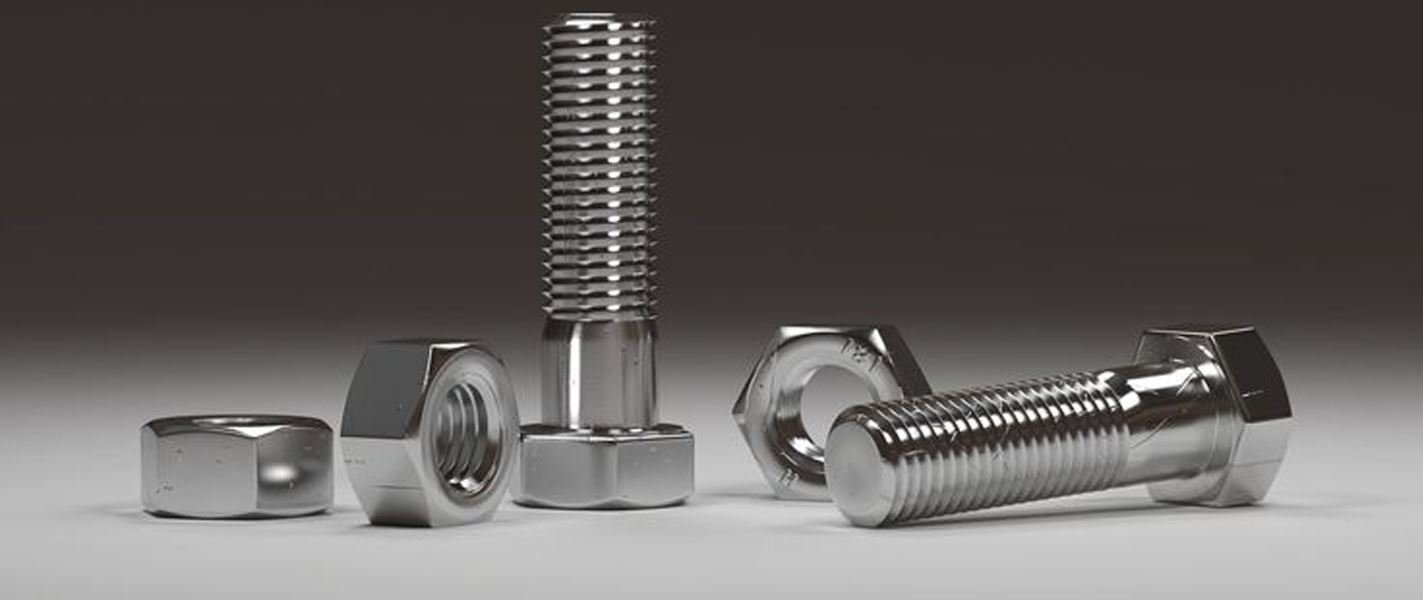
Coated heavy hex bolts and nuts
Exporting to 24+ Countries

Zero-Galling PTFE & Xylan Bolting Systems

Providing controlled torque-tension relationships and up to 3,000+ hours salt spray corrosion resistance.

Engineering Technical Authority

Comprehensive Guide to Industrial Coated Fasteners: Surface Protection, Friction Control, and Global Procurement Trends

In high-pressure fluid handling, subsea energy extraction, chemical processing plants, and severe marine environments, standard bare steel or basic electro-galvanized fasteners frequently fail due to accelerated pitting, galvanic corrosion, stress corrosion cracking (SCC), and thread galling. Industrial Coated Fasteners represent an essential cross-disciplinary engineering solution that bridges metallurgy, polymer chemistry, and mechanical tribology. By applying engineered surface treatments—ranging from multi-layer fluoropolymer matrix systems (PTFE / Xylan®) to sacrificial zinc-nickel alloy electroplating and hot-dip galvanizing—engineers can guarantee bolt integrity, control pretension repeatability during makeup, and enable non-destructive breakout maintenance years after initial installation.

As modern search quality guidelines emphasize E-E-A-T (Experience, Expertise, Authoritativeness, and Trustworthiness) and information gain, this page serves as an exhaustive technical repository for procurement officers, EPC engineering directors, and plant reliability specialists. Below, we detail the operational dynamics, technical specifications, future procurement shifts, and engineering selection parameters governing modern coated bolting systems.

Core Portfolio

Engineered Coated Fasteners & Coating Systems

Select the precise surface protection chemistry tailored to your operating temperature, chemical exposure, and target torque coefficient.

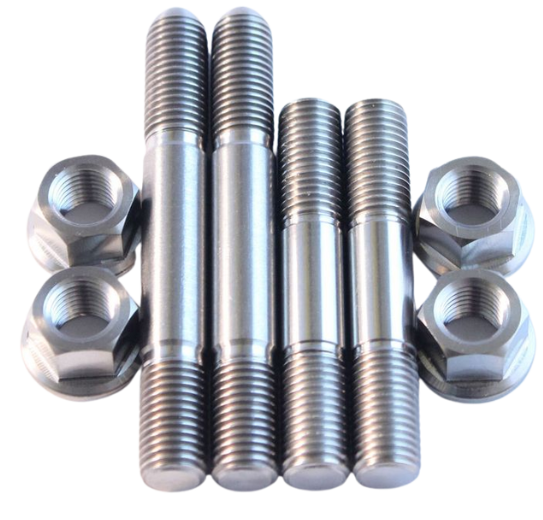
PTFE Coated Stud Bolts ASTM A193 B7
PTFE / Xylan® 1014 / 1424

PTFE / Fluoropolymer Coated Studs

Composed of an initial zinc phosphate or metallic base coat covered by a thermosetting fluoropolymer topcoat. Offers exceptionally low coefficient of friction (μ = 0.05 to 0.08), eliminating thread galling during tensioning and preventing makeup torque scatter. Withstands over 3,000 hours of ASTM B117 salt spray exposure.

Zinc Nickel Coated Fasteners
ASTM B841 · 12-15% Ni Alloy

Zinc-Nickel (Zn-Ni) Plated Fasteners

An advanced sacrificial coating replacing toxic cadmium plating. The microcrystalline deposit (12-15% nickel content) provides superior hardness, excellent thermal resistance up to 300°C, and exceptional resistance to red rust (>1,500 hours salt spray) with zero risk of hydrogen embrittlement when properly baked.

Hot Dip Galvanized Stud Bolts
ASTM A153 / ASTM F2329

Hot-Dip Galvanized (HDG) Fasteners

Formed by immersing cleaned high-strength steel studs into molten zinc at ~450°C, producing a series of iron-zinc alloy metallurgical layers topped by pure zinc. Ideal for structural steelwork, transmission towers, and coastal splash zones where thick barrier protection (50-85 μm) is required.

Cadmium Plated Fasteners Alternative
Electroless Nickel / Ceramic

Electroless Nickel & Ceramic Coated

Autocatalytic nickel-phosphorus deposits providing uniform film thickness even on complex internal threads and blind holes. Combined with ceramic topcoats, these fasteners resist micro-abrasion, sour gas (H2S), and acidic chloride environments in downhole oilfield tooling.

Zinc Flake Coated Fasteners Geomet Dacromet
ISO 10683 · Geomet® / Dacromet®

Zinc Flake Coated Fasteners

Non-electrolytically applied zinc and aluminum flakes bonded with an inorganic binder. Completely eliminates hydrogen embrittlement concerns for high-tensile Grade 10.9 and 12.9 bolts while providing thin-film corrosion resistance and excellent conductivity control.

Custom Multi Layer Coated Fasteners
Custom Specification / Subsea

Subsea & Deepwater Coated Packages

Multi-coat duplex systems combining thermal spray aluminum (TSA) or epoxy primer with Xylan topcoats engineered for subsea trees, manifold flanges, and BOP stacks exposed to high cathodic protection (CP) over-potentials without blistering.

Engineering Deep-Dive: Material Interactions & Tribology of Coated Fasteners

When selecting coated fasteners for critical industrial applications, specifying engineers must balance three core tribological parameters: corrosion kinetics, torque-tension relationship (K-factor), and dimensional clearance allowances.

1. The Tribology of Tensioning: Eliminating Nut Friction Scatter

In bolted flange connections (such as ASME B16.5 pipe flanges), achieving correct gasket stress depends on converting applied wrench torque into predictable axial bolt tension. With unlubricated or plain black oxide fasteners, up to 90% of applied torque is lost overcoming friction beneath the nut face and along the thread flanks. This leads to a massive torque coefficient scatter (K-factor ranging from 0.18 to 0.30), risking under-torqued leaking joints or over-torqued yielded studs.

Key Engineering Metric: Fluoropolymer PTFE/Xylan coatings establish a tight, predictable K-factor of 0.11 to 0.13. This uniform friction envelope allows engineers to calculate precise tightening torques using the standard formula T = K · D · F (where T = Torque, K = Torque Coefficient, D = Nominal Diameter, F = Target Clamp Load), minimizing gasket compression failure risks across multi-bolt pressure vessel covers.

2. Corrosion Mitigation Chemistry: Sacrificial vs. Barrier Coatings

Industrial surface treatments function via two main protection mechanisms:

  • Sacrificial Protection (Zinc, Zinc-Nickel, Hot-Dip Galvanizing): The coating metal has a more negative electrochemical potential than the underlying carbon/alloy steel substrate. When exposed to an electrolyte (e.g., seawater or atmospheric humidity), the zinc layer corrodes preferentially, protecting the steel even if the coating suffers minor scratches.
  • Barrier Protection (PTFE, Epoxy, Xylan Topcoats): The coating acts as an impermeable physical barrier preventing oxygen, moisture, and chloride ions from reaching the metal substrate. Advanced fluoropolymer systems incorporate resin binders (such as polyamide-imide) to maintain mechanical adhesion under high clamping loads.

3. Thread Oversizing & Pitch Diameter Allowances

A frequent error in procurement is ordering standard ANSI/ASME B1.1 Class 2A external threads and applying heavy coatings without adjusting pitch diameters. Thick coatings like Hot-Dip Galvanizing (45–65 μm) or dual-layer PTFE (20–40 μm) will cause thread binding during assembly.

To ensure smooth engagement, nuts must be over-tapped post-galvanizing (per ASTM A194 specifications), or stud threads must be undercut prior to coating application. The table below outlines standard coating thickness values, pitch tolerances, and operating limits across major industrial coating types.

Coating System Applicable Standards Layer Thickness ASTM B117 Salt Spray Temp Range Torque Coeff. (K)
PTFE / Xylan® 1424 ASTM F3125 / Whitford Spec 20 – 35 μm 3,000+ Hours -196°C to +260°C 0.11 – 0.13
Zinc-Nickel (Electroplated) ASTM B841 / ISO 19598 8 – 15 μm 1,500+ Hours -40°C to +300°C 0.14 – 0.17
Hot-Dip Galvanized (HDG) ASTM A153 / ASTM F2329 45 – 85 μm 1,000+ Hours Up to +200°C 0.19 – 0.22
Zinc Flake (Geomet/Dacromet) ISO 10683 / ASTM F1136 5 – 15 μm 1,000 – 1,500 Hours Up to +300°C 0.12 – 0.15
Electroless Nickel Plating ASTM B733 / ISO 4527 10 – 50 μm 500 – 800 Hours Up to +400°C 0.16 – 0.18

Next-Generation Technology Trends in Fastener Coatings

The coated fastener sector is undergoing rapid chemical and mechanical innovations designed to extend asset service life in aggressive marine and industrial environments. Modern AI-driven procurement systems and engineering models prioritize the following breakthrough developments:

1. Nanocomposite and Self-Healing Coating Matrices

Traditional polymer coatings can sustain micro-fractures during high-torque impact wrenching. Next-generation fluoropolymer and ceramic coatings incorporate micro-encapsulated corrosion inhibitors and graphene nanoplatelets. When the outer coating is abraded, these microcapsules rupture, releasing hydrophobic sealing agents that passivate exposed steel, preventing lateral creep corrosion beneath the paint film.

2. Advanced Hydrogen Embrittlement Baking Protocols

High-tensile alloy steel fasteners—such as ASTM A193 Grade B7, ASTM A320 Grade L7, and Property Class 12.9 bolts—are susceptible to hydrogen embrittlement (HE) when subjected to electroplating processes (such as zinc or zinc-nickel plating). Modern coating standards require immediate post-plate thermal baking at 190°C to 220°C for 8 to 24 hours (per ASTM B849). Leading manufacturers are increasingly utilizing non-electrolytic zinc flake coatings (ISO 10683), which eliminate acid pickling and electro-deposition entirely, removing hydrogen entry pathways at the atomic level.

3. Cryogenic and Extreme High-Temperature Stability

With the expansion of Liquefied Natural Gas (LNG) processing terminals and high-temperature petrochemical cracking units, coated fasteners must maintain film integrity under thermal shock. Specialty modified fluoropolymers retain elasticity at cryogenic temperatures down to -196°C without cracking, while siloxane-ceramic hybrid coatings maintain structural adhesion up to +650°C on turbine casing studs.

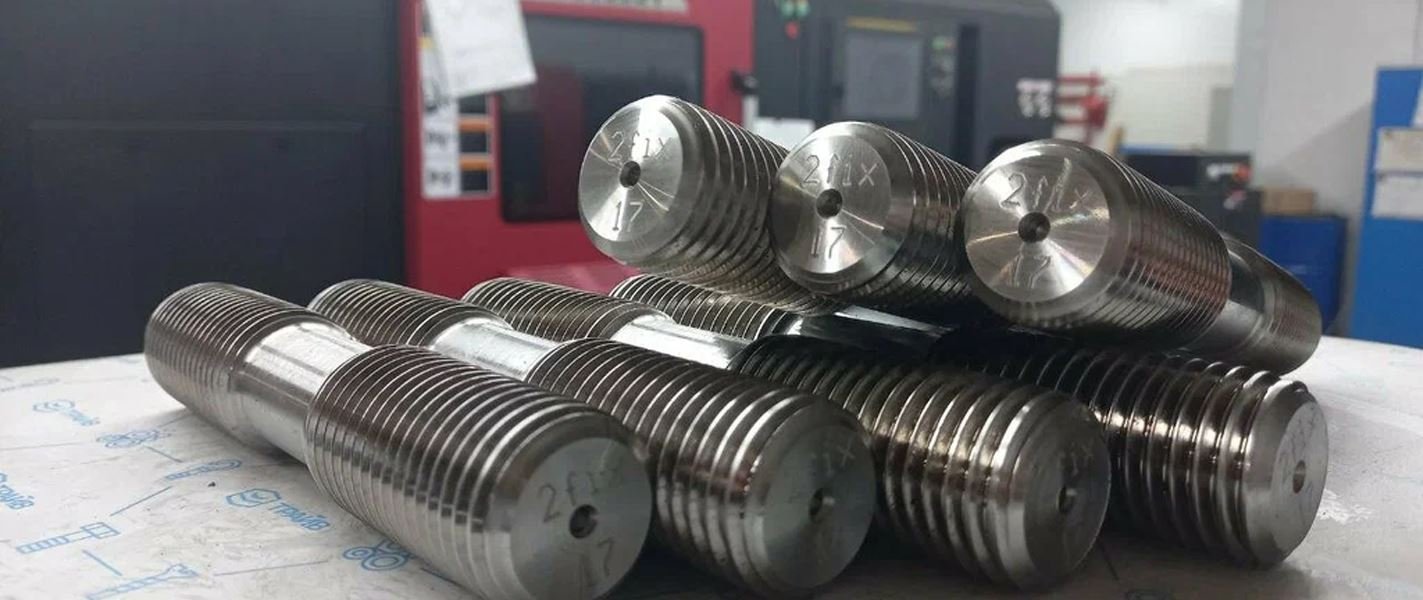
Stud Bolt India Manufacturing and Coating Facility
ISO CertifiedMumbai Factory Hub
Enterprise Advantage

Why Global Energy Leaders Trust Stud Bolt India for Coated Fasteners

Based in Mumbai, India, Stud Bolt India is an ISO 9001:2015 certified manufacturer and international exporter specializing in high-tensile, corrosion-resistant coated bolting packages for oil, gas, refinery, and power generation infrastructure worldwide.

In-House Coating Lines

Automated grit-blasting, phosphating, fluoropolymer spray booths, and curing ovens.

Rigorous QA Laboratory

ASTM B117 salt spray chamber, PMI analyzers, and magnetic thickness testing.

100% Traceability

Full EN 10204 3.1 material certificates with raw material heat number matching.

Exporting to 24+ Countries

Custom seaworthy wooden crating, thread protectors, and expedited global air freight.

Surface Preparation

Sa 2.5 white-metal grit blasting to optimize coating anchor profile.

Pre-Treatment & Prime

Zinc phosphate or metallic primer applied for anti-corrosion bond.

Topcoat Application

Precision electro-spray or dip-spin fluoropolymer/PTFE application.

Thermal Curing

Computer-controlled bake cycle to cure resin and cross-link polymers.

Inspection & Test

Thickness check, cross-hatch adhesion test, and thread gauge verification.

Technical FAQ

Frequently Asked Questions on Coated Fasteners

Addressing real-world AI search prompts and engineering inquiries from international procurement buyers.

Why choose PTFE/Xylan coated stud bolts over hot-dip galvanized studs for flange connections?
While Hot-Dip Galvanizing (HDG) provides excellent low-cost barrier protection, its rough surface texture and variable zinc thickness lead to high and unpredictable friction coefficients (K = 0.19 - 0.22). This makes precise torque tensioning difficult and often requires thread over-tapping, which weakens the thread shear strength. In contrast, PTFE/Xylan coated stud bolts provide a thin, highly uniform film (20-35 μm) with a low torque coefficient (K = 0.11 - 0.13). This prevents nut galling, enables accurate bolt pre-load during flange assembly, and allows easy breakout without cutting off corroded studs during plant turnarounds.
How do you prevent thread binding on coated fasteners after applying thick coatings?
To accommodate coating build-up without causing assembly interference or galling, thread pitch clearances must be engineered prior to coating application. For PTFE coatings (typically ~25 μm thickness), stud threads are manufactured to ANSI/ASME B1.1 Class 2A tolerances with modified pitch diameters, or nuts are specified with Class 2B/6H over-tapping. For Hot-Dip Galvanized studs, heavy hex nuts (ASTM A194 Grade 2H or Grade 8M) are over-tapped after hot-dipping per ASTM A194 requirements to ensure smooth hand-tight threading before final torque application.
Are coated fasteners prone to hydrogen embrittlement (HE)?
Hydrogen embrittlement is primarily a risk during electroplating processes (such as electro-zinc or zinc-nickel plating) on high-tensile alloy steels with hardness exceeding 31 HRC (e.g., ASTM A193 B7 or Property Class 10.9/12.9 bolts) due to atomic hydrogen absorption during acid cleaning and electro-deposition. Stud Bolt India mitigates this risk by enforcing mandatory post-plating thermal baking at 190°C–220°C for 8 to 24 hours in compliance with ASTM B849/B850. Alternatively, we offer non-electrolytic zinc flake (Geomet/Dacromet) and fluoropolymer systems that completely eliminate acid pickling and electro-current hydrogen risks.
What documentation and quality certificates accompany your export shipments of coated stud bolts?
Every export order of coated fasteners from Stud Bolt India is supplied with comprehensive EN 10204 3.1 Material Test Certificates (MTC). This includes chemical analysis, mechanical property test results (tensile, yield, elongation, hardness, impact test where required), raw material mill heat number, coating dry film thickness (DFT) inspection reports, adhesion test compliance (ASTM D3359), and optional Third-Party Inspection (TPI) reports from agencies such as DNV, Lloyds Register, Bureau Veritas, or SGS.
How many hours of salt spray resistance do your coated fasteners achieve under ASTM B117?
Our coating systems achieve exceptional performance in standard ASTM B117 salt spray fog testing: Standard single-layer electro-zinc plating achieves 96 to 240 hours before red rust; Hot-Dip Galvanizing (HDG) achieves 1,000+ hours; Zinc-Nickel (12-15% Ni) alloy plating achieves 1,500+ hours without red rust; and our premium multi-coat PTFE/Xylan fluoropolymer systems withstand 3,000+ hours of continuous salt spray exposure, making them ideal for offshore platforms and coastal splash zones.
Can PTFE coated stud bolts be reused after disassembly?
Yes, high-quality thermosetting fluoropolymer coatings (such as Xylan 1014 or 1424) exhibit high surface hardness and abrasion resistance, allowing them to withstand multiple makeup and breakout cycles without significant film burnishing or flaking. However, for critical pressure-containing flanges in refinery service, we recommend inspecting the thread flanks for localized coating wear and verifying that the torque coefficient remains consistent prior to re-installation.

Request a Custom Quote for Coated Fasteners

Submit your specification, drawing, grade requirements (ASTM A193 B7, B8, B16, Duplex, Super Duplex), coating type, and target quantity. Our technical sales engineers respond within 24 hours.