1. Stringent Material Traceability & Digitalization (EN 10204 3.1 / 3.2 Standard Implementation)
Major energy majors (including Saudi Aramco, ADNOC, Shell, Chevron, and BP) are tightening quality compliance rules to eliminate counterfeit fastener materials in pressure-retaining equipment. Future procurement requires complete digital heat traceability. Modern supply chains reject generic mill test reports in favor of EN 10204 3.1 or 3.2 certificates linked to 100% Positive Material Identification (PMI), ultrasonic non-destructive testing (NDT), and computerized 3D thread pitch validation.
2. Deepwater Exploration & Sour Service (NACE MR0175 / ISO 15156 Compliance)
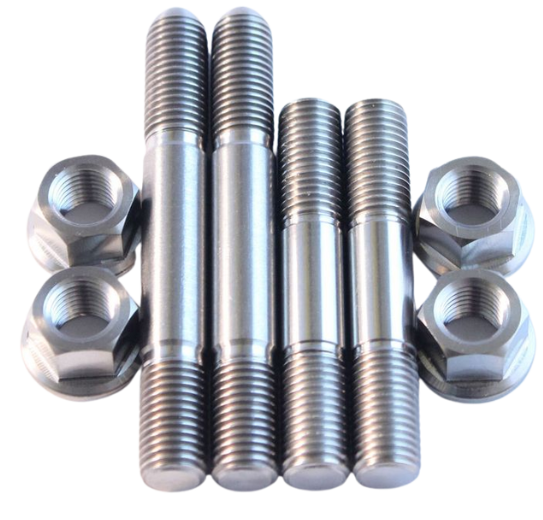
As oil and gas extraction moves into deeper ocean basins and sour reserves containing higher hydrogen sulfide (H2S) levels, traditional carbon steel fasteners face accelerated Sulfide Stress Cracking (SSC). Future procurement trends show a significant rise in demand for double-tempered alloy studs (such as ASTM A193 B7M and A320 L7M) with strictly controlled hardness caps (≤22 HRC / 235 HBW). Simultaneously, ultra-deepwater subsea equipment is transitioning toward precipitation-hardened Nickel Alloys (Inconel 718 UNS N07718) and Super Duplex S32750 due to their immunity to hydrogen-assisted stress cracking (HASC).
3. Advanced Fluoropolymer Coating Systems for CUI Mitigation
Corrosion Under Insulation (CUI) and atmospheric offshore corrosion account for billions in maintenance expenditures annually. Conventional hot-dip galvanizing (HDG) is being phased out in high-strength fasteners due to the risk of Hydrogen Embrittlement during acid pickling and torque inconsistencies during installation. Procurement is shifting rapidly toward multi-coat fluoropolymer coatings (PTFE / Xylan 1424 over zinc-nickel or ceramic base coats). These systems provide over 3,000 hours of ASTM B117 salt spray protection, precise torque-tension relationships (K-factor between 0.12 and 0.15), and galling-free breakout during plant turnarounds.
4. Decarbonization, Carbon Capture (CCUS) & Hydrogen Infrastructure Compatibility
The energy transition demands that piping and flange hardware perform safely in carbon capture, utilization, and storage (CCUS) networks and blended hydrogen pipelines. Hydrogen embrittlement is a primary failure mode for high-tensile steels operating under hydrogen gas pressure. Technical development trends focus on micro-alloyed steels, specialized low-stress thread profile rolling (MJ thread profiles per ISO 5855), and vacuum heat-treatment processes that ensure consistent microstructural grain refinement.
5. Supply Chain Resilience and Diversification to Indian Manufacturing Hubs
Global EPC contractors are actively diversifying their procurement networks to mitigate geopolitical disruptions and extended factory lead times. India—specifically the manufacturing industrial cluster in Mumbai—has emerged as a premier global hub for high-grade oil and gas fasteners. Indian manufacturers offer fully integrated forging, thread rolling, heat treatment, and testing labs operating under ISO 9001:2015 and API certifications, offering short production cycles and direct maritime shipping access to the Gulf region, Europe, and North America.