
Call: +91 91723 33437 Email: [email protected] Address: Mumbai, India
0%

A Duplex Steel Stud Bolt may look simple: a threaded rod, two nuts, and a carefully specified alloy. The difficult part is proving that the material, dimensions, and finish match the job. Duplex stainless steels combine austenitic and ferritic structures, but performance still depends on grade, manufacturing quality, and service conditions. Small details matter. A heat number stamped on a certificate, a thread checked with a gauge, or a clear test report can change a purchasing decision.

John R. Davis, editor of ASM Specialty Handbook: Stainless Steels, provides a valuable foundation for understanding stainless-steel selection. In the spirit of his technical work, this guide uses a practical sourcing principle: “A reliable fastener is only as dependable as its material traceability and verification.” This is an editorial summary, not a verbatim quotation. It reflects why supplier evaluation should go beyond price and polished catalog photos.

This 2026 guide compares ten Duplex Steel Stud Bolt suppliers through practical criteria: grade range, documentation, quality controls, customization, delivery capability, and technical support. Buyers should confirm applicable specifications and request records for the exact order. Ask about testing, thread tolerances, and packaging, too. Those questions can expose gaps early. Supplier claims are not always equally clear, and this comparison has limits; availability and service may vary by region or project. Still, a careful shortlist can make procurement more confident, whether the bolts will secure a pump flange, a coastal structure, or process equipment.
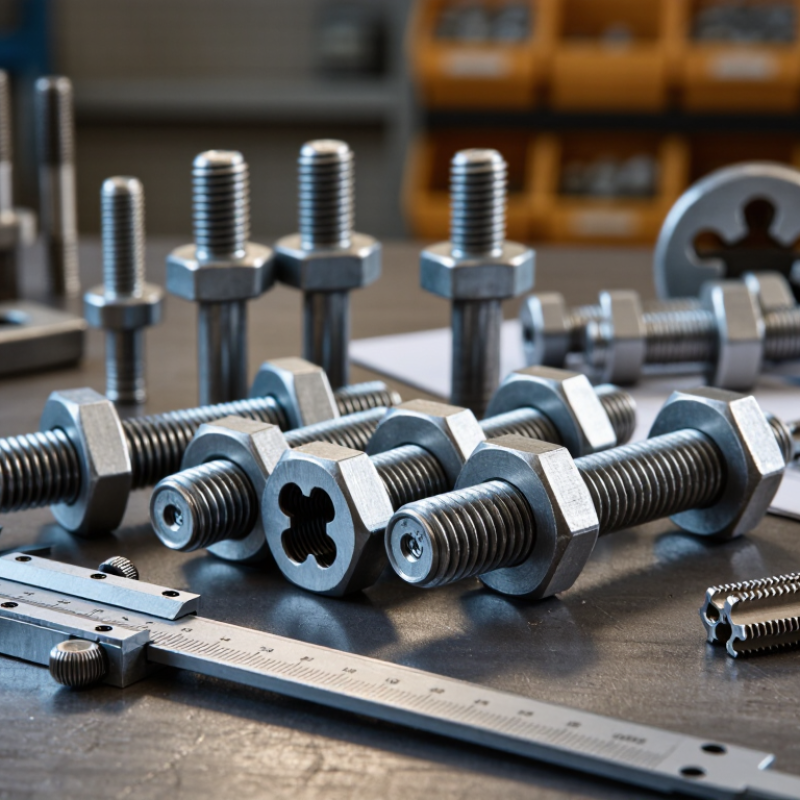
10 Best Duplex Steel Stud Bolt Suppliers in 2026

Understanding Duplex Steel Stud Bolts and Their Applications

Duplex steel stud bolts are threaded fasteners made from stainless steel with a two-phase microstructure. This combination can provide high strength and useful resistance to corrosion. In practice, the exact performance depends on the grade, temperature, and surrounding chemicals. They are often selected where ordinary carbon steel may corrode too quickly, but extra strength is also needed. Not everywhere.

Stud bolts secure flanges and equipment joints in marine systems, desalination plants, and chemical processing facilities. On a seawater line, for example, the fastener may face chloride exposure and repeated maintenance. In a process plant, it may encounter changing temperatures or cleaning chemicals. Those conditions matter. A bolt that performs well in one service may not suit another, so engineers should check the operating environment rather than rely on a material label alone.

Selection also involves the full joint, not just the stud. The nut, washer, flange, and tightening method should be compatible with the chosen material. Duplex stainless fasteners can gall during installation, so suitable lubrication and controlled tightening procedures may help prevent thread damage. For critical connections, review material certificates, dimensions, and applicable inspection requirements. It is easy to focus on strength figures; corrosion details deserve equal attention.

Criteria for Evaluating Suppliers in 2026

Criteria for Evaluating Suppliers in 2026

A reliable duplex steel stud bolt supplier should prove what each batch contains. Request material test certificates linked to heat numbers, then check chemistry and mechanical properties against the project specification. For critical orders, ask how the supplier verifies dimensions, thread fit, hardness, and positive material identification. Good paperwork matters. So does a clear plan for handling nonconforming parts.

Corrosion resistance is not a vague promise. The NACE IMPACT study estimated global corrosion costs at US$2.5 trillion annually, or 3.4% of global GDP. It also found that applying existing corrosion-control practices could save 15–35% of those costs. These figures explain why buyers should examine grade selection, traceability, and test records—not just unit price. A polished certificate is not proof by itself; confirm that the stated tests match the order and applicable standards.

Assess delivery records, production capacity, and the supplier’s response to technical questions. The World Stainless Association reported 58.4 million tonnes of stainless steel production in 2023, showing the scale of a crowded supply chain. That figure does not verify any individual supplier. Ask for realistic lead times, sample inspection results, and written change-control procedures. One small doubt remains: a supplier may meet the paperwork requirements yet still struggle with urgent replacements. Check references where possible, and document acceptance criteria before purchase.

Profiles of 10 Leading Duplex Steel Stud Bolt Suppliers

Profiles of 10 Leading Duplex Steel Stud Bolt Suppliers

Choosing a duplex steel stud bolt supplier means checking more than price. Duplex grades combine high strength with resistance to chloride-related corrosion, as described in the Nickel Institute’s technical publication Duplex Stainless Steels.

The International Stainless Steel Forum reported 58.4 million tonnes of global stainless steel production in 2023. That figure covers all stainless grades, not duplex fasteners, but it signals the scale of a competitive supply chain.

The ten supplier profiles reflect different strengths: a forging specialist for custom diameters; a mill-linked producer with heat traceability; an exporter experienced in mixed-size orders; a precision shop focused on thread consistency; a corrosion-service supplier familiar with marine projects; a stockist offering short lead times; a manufacturer with in-house testing; a project supplier handling documentation; a regional producer serving nearby plants; and a small-batch workshop suited to unusual lengths.

Their capabilities should be verified against the exact grade, dimensions, and applicable fastener specification.

Ask for material test certificates and confirm that heat numbers match the delivered bolts. For a hands-on check, inspect thread finish and compare sample dimensions with the drawing.

A polished catalog can still leave gaps. I would also confirm whether testing is performed in-house or independently; that detail is easy to overlook.

Comparing Product Range, Certifications, and Services

A useful 2026 comparison of duplex steel stud bolt suppliers should look beyond price. Check whether each supplier offers the grades, diameters, lengths, and thread configurations your project needs. Stock availability matters when shutdown dates are fixed. Ask for material test reports and verify heat numbers match the supplied bolts. Depending on the project, EN 10204 3.1 documentation and a current quality management certificate may be relevant. Confirm scope and validity directly; a certificate alone does not prove every order meets your specification.

Tips: Send suppliers the same written specification. Include grade, dimensions, tolerances, quantity, and delivery location. Compare sample documents, not just quoted claims. Details matter.

Service quality can separate otherwise similar suppliers. Look for clear lead-time estimates, responsive technical support, and a process for handling nonconforming items. Ask how packaging protects threads during transport, especially for long bolts or coastal deliveries. Some suppliers offer custom cutting or machining; confirm tolerances before ordering. A comparison table helps, but it can hide differences in testing scope and actual stock. No ranking is perfect. Recheck critical details with the supplier before purchase.

Selecting a Supplier for Your Project Requirements

Selecting a duplex steel stud bolt supplier starts with the conditions at the joint, not a catalog description. Record the operating temperature, chloride exposure, design load, and required dimensions. Duplex grades differ; a familiar grade may still be unsuitable for a specific process. Small details matter. Check thread pitch, length, nut compatibility, and surface finish against the project drawing. Ask for material test reports linked to heat numbers, plus relevant mechanical test results. Traceability should reach the delivered batch, not stop at a generic certificate.

Compare suppliers on how clearly they handle questions and changes. Can they explain their inspection steps, identify subcontracted processes, and confirm realistic lead times? For critical assemblies, discuss positive material identification or independent testing with the project engineer. A low price is less useful if documentation arrives late or dimensions require rework. I find coating requirements easy to overlook; some treatments can affect fit or introduce concerns in demanding service. Ask how the proposed finish fits the application. Even a careful specification can miss something, so leave room for technical review before purchase. A short sample inspection may reveal thread damage, inconsistent marking, or packaging that could harm parts in transit.

Duplex Steel Grade Benchmark for Stud Bolt Supplier Selection

Typical minimum yield strengths for ASTM A240 plate product forms are shown for reference: UNS S32304 (400 MPa), S32205 (450 MPa), and S32750 (550 MPa). These values are material benchmarks, not stud-bolt ratings or supplier rankings. Confirm the applicable fastener standard, product form, grade, and certified mechanical properties for your project.

FAQS

What are duplex steel stud bolts?

They are threaded stainless steel fasteners with a two-phase structure. They can combine high strength with corrosion resistance. Not everywhere.

Where are these fasteners commonly used?

They secure flanges and equipment joints in marine systems, desalination plants, and chemical facilities. A seawater line may expose them to chlorides and repeated maintenance.

How should buyers choose the right grade?

Check the actual temperature, chemicals, and service conditions. A grade that works in one plant may not suit another. Material labels are not enough.

What other parts of the joint need checking?

Review the nuts, washers, flanges, and tightening method for compatibility. Duplex threads can gall during installation. Use suitable lubrication and controlled tightening.

What documents and tests should a supplier provide?

Request material test certificates linked to heat numbers. Check chemistry and mechanical properties against the project specification. For critical orders, verify dimensions, thread fit, hardness, and material identification.

How can buyers assess a supplier beyond price?

Ask about production capacity, delivery records, sample inspections, and technical support. Request written procedures for changes and nonconforming parts. A polished certificate may still leave gaps.

What do corrosion-cost figures suggest to buyers?

A global study estimated corrosion costs at US$2.5 trillion annually, or 3.4% of global GDP. Existing control practices could save an estimated 15–35%. The numbers support careful material checks, not automatic grade selection.

What should buyers verify before accepting delivered bolts?

Match the heat numbers to the certificates and compare sample dimensions with the drawing. Inspect thread finish, too. I would still confirm who performed the testing; that detail is easy to miss.

Conclusion

This article explores the role of Duplex Steel Stud Bolt products in applications that require strength, corrosion resistance, and dependable performance, including demanding industrial environments. It explains how to assess suppliers in 2026 by considering material specifications, manufacturing consistency, quality controls, relevant certifications, delivery capabilities, technical support, and the ability to meet project requirements.

Profiles of ten leading supplier options are presented without relying on brand names, highlighting the kinds of products and services buyers may encounter. A comparison of product range, certifications, customization, and customer support helps readers understand how suppliers can differ. The article concludes with practical guidance for matching a supplier to a project’s operating conditions, required specifications, schedule, and budget, so buyers can make a well-informed selection.

Evelyn

Evelyn

Evelyn is a professional marketing specialist with a deep understanding of the company’s products and the needs they are designed to meet. She regularly contributes expert articles to the company website, sharing practical insights, clear product information, and helpful guidance to support......