
Call: +91 91723 33437 Email: export@pearlshims.com Address: Mumbai, India
0%

Buying ASTM A193 Grade B16 Fasteners is not just a matter of choosing a bolt that fits. These chromium-molybdenum-vanadium alloy steel fasteners are commonly specified for demanding, elevated-temperature service, where material condition and documentation matter. A small mismatch can create delays during installation or raise questions during inspection. Details matter.

This guide outlines seven practical checks buyers can make before placing an order. It covers confirming the required grade and applicable specification edition, matching dimensions and thread details, reviewing heat-treatment records, and checking material test reports and product traceability. It also considers supplier capability, delivery expectations, and whether any coating or finishing choice suits the operating environment. One overlooked detail can matter. A certificate should match the actual lot, not merely a similar product from the same supplier. Ask questions when markings, paperwork, or specifications do not align. That may feel slow, but guessing is worse.

The right fastener depends on the complete application, including temperature, load, mating components, and exposure to corrosion. Grade alone cannot confirm suitability. Engineers and procurement teams should compare the purchase requirements with current technical documents and obtain qualified guidance where needed. Requirements can vary by project, and product descriptions may leave out important conditions. No checklist replaces careful review. Use these tips to make purchasing decisions more consistent, identify gaps early, and communicate clearly with suppliers before the fasteners reach the site.
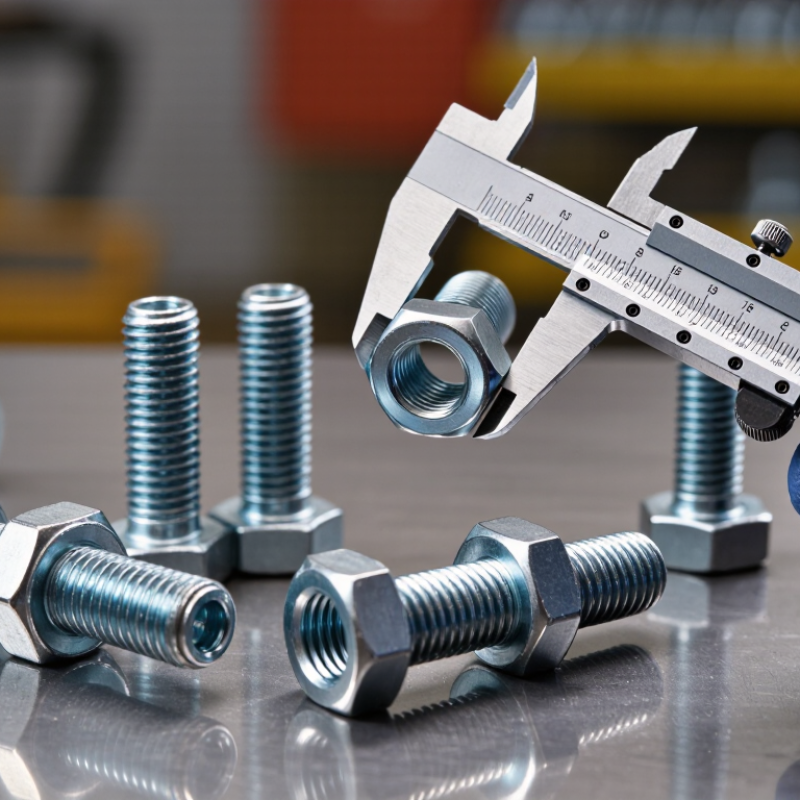
7 Tips for Buying ASTM A193 Grade B16 Fasteners?

Define the Application and Operating Conditions

Define the Application and Operating Conditions

Tip: Start with the joint, not the grade. Identify what the fasteners will connect, the required size, and the expected load. Record operating temperature, pressure, vibration, and how often the equipment starts and stops. A flange exposed to repeated heat cycles may need different review from a static support. Small details matter.

ASTM A193 Grade B16 is used for bolting in demanding elevated-temperature service, but the grade alone does not confirm suitability. Check the design requirements and the specified material condition with a qualified engineer. Consider the process environment, too. Moisture or corrosive chemicals can affect fastener life; B16 should not be treated as universally corrosion-resistant. Confirm thread dimensions and compatibility with the selected nuts and washers.

Tip: Write down the real conditions. Include peak temperature, pressure changes, installation access, and any expected maintenance. Ask how preload will be applied and verified. It is easy to focus on the material designation and overlook tightening practice. I have seen specifications that looked complete, yet left installation details unclear. That deserves a second look. Review the purchase documents for the required ASTM edition, testing, and material certificates before ordering.

7 Tips for Buying ASTM A193 Grade B16 Fasteners: Define the Application and Operating Conditions

Check the fastener’s mechanical requirements against the loads in your application before selecting a grade.

ASTM A193 Grade B16 specifies minimum tensile and yield strengths of 125 ksi (862 MPa) and 105 ksi (724 MPa), respectively. These values are material requirements, not a complete design check. Confirm operating temperature, pressure, applied loads, thermal cycling, service environment, and applicable flange or piping codes; verify requirements against the relevant standard edition and fastener size.

Confirm ASTM A193 Grade B16 Requirements

ASTM A193 Grade B16 fasteners are alloy-steel bolting intended for high-temperature or high-pressure service. Confirm the operating temperature, pressure, diameter, thread, coating, and mating components before requesting a quotation. “B16” alone does not describe every purchasing requirement. The current ASTM A193/A193M edition and the project specification should govern.

Tip: Ask the supplier to confirm the exact grade and size on the material test report. ASTM A193/A193M specifies minimum tensile strength of 125 ksi and yield strength of 105 ksi for applicable B16 sizes. Check the table for the ordered dimensions; limits can depend on size. These are acceptance thresholds, not a substitute for checking the design requirements.

Tip: Verify heat-treatment records, mechanical test results, and required marking before shipment. ASTM A962/A962M provides general requirements for bolting materials, including testing and documentation. Compare the report’s heat number with the fastener markings and purchase documents. It is easy to miss a mismatch when paperwork arrives separately. Resolve it before installation, not at the worksite.

Choose the Fastener Type, Dimensions, and Finish

For ASTM A193 Grade B16, specify the fastener type before ordering: bolts, studs, and threaded rods are not interchangeable in every joint. ASTM A193/A193M gives B16 minimum tensile strength of 125 ksi (860 MPa) and minimum yield strength of 105 ksi (724 MPa). These values describe the material, not the completed connection. Check the applicable specification edition and confirm the nut, washer, and mating flange requirements against the project documents. It is tempting to treat “B16” as a complete order description. It isn’t.

Dimensions should include diameter, thread pitch, length, and thread series. For a stud, state the overall length and whether it is threaded end-to-end; for a bolt, include the under-head length. Match the thread to the tapped hole or nut, and verify engagement and clearance on the actual flange. A few millimeters matter. For finish, identify the service environment and operating temperature before choosing plain, coated, or plated parts. Coatings can change fit and installation friction, while some may be unsuitable at elevated temperatures. ASTM A193/A193M provides the material requirements; ASME PCC-1 offers bolted-flange assembly guidance. I would still verify finish compatibility with the engineer—this detail is easy to overlook.

Verify Material Certification and Traceability

For ASTM A193 Grade B16 fasteners, match the material test report to the physical lot—not just the purchase order. Check the heat number, grade, diameter, heat-treatment condition, chemical analysis, and mechanical-test results. ASTM A193/A193M Table 2 gives B16 minimums of 125 ksi tensile strength and 105 ksi yield strength. Compare those figures with the reported results and the applicable specification edition. Small details matter.

Trace the heat number from the report to the carton label and, where present, the fastener markings. A mismatch deserves a hold, not a guess. Confirm that the report identifies the testing laboratory and methods, and that results apply to the supplied lot. ISO 9001:2015 clause 8.5.2 addresses identification and traceability; it is a useful quality-system reference, not a substitute for product evidence. Paperwork alone is not proof. If records are incomplete, ask the supplier to resolve the gap before installation. Portable alloy analysis can help check material identity, but it cannot replace certified heat-treatment and mechanical-test records. I would still verify a sample independently when service conditions are severe.

Evaluate Suppliers, Inspection, and Delivery Terms

When buying ASTM A193 Grade B16 fasteners, evaluate the supplier’s process, not just the quoted price. Ask for material test reports that identify the heat number and link each lot to its records. Confirm that the documents cover chemical composition and heat treatment. A generic certificate may not be enough. Ask how the supplier controls thread dimensions, hardness, and product marking, and whether inspection records are available before shipment.

Set inspection expectations in writing. Specify sampling levels, dimensional checks, and any independent inspection required for your application. Check that the fastener markings match the purchase documents and that the reported grade is consistent across the lot. Keep one sample and its paperwork together when practical. Small detail. It can save time when a discrepancy appears, though inspection cannot replace clear technical requirements.

Delivery terms deserve equal attention. Confirm the promised ship date, shipment location, packaging, and responsibility for freight and insurance. Require labels showing size, grade, quantity, and heat number; ask for moisture-resistant packaging if parts may sit in storage. Define how shortages, damaged packaging, or rejected items will be handled. Put replacement timing in the order. Lead times can shift, and I would not assume a verbal update protects a project schedule.

7 Tips for Buying ASTM A193 Grade B16 Fasteners? - Evaluate Suppliers, Inspection, and Delivery Terms

Tip What to Evaluate Practical Check Records or Purchase Terms
1 Confirm the exact specification Specify ASTM A193/A193M Grade B16 and the applicable edition. Define fastener type, diameter, length, thread series, quantity, and any project-specific requirements. B16 is a chromium-molybdenum-vanadium alloy steel grade intended for high-temperature service. Put the standard edition, dimensions, tolerances, and required supplementary or project requirements on the purchase order; do not rely on a grade description alone.
2 Verify supplier capability Ask how the supplier controls material sourcing, heat treatment, subcontracted processes, lot separation, and nonconforming product. Confirm the supplier can provide the requested size range and documentation. Request relevant quality-system information, process-control details, and references to comparable product scope. Treat certification as supporting evidence, not a substitute for product verification.
3 Check material and heat-treatment records Ensure the material test report identifies Grade B16, the applicable specification, heat or lot number, and the reported test results required by the order. Confirm heat-treatment records and product condition meet the specified requirements. Require traceability from each shipment lot to its material and test records. Review the documents before release if the project calls for document approval.
4 Agree inspection and testing before production Define the inspection scope, sampling method, acceptance criteria, and any witness or hold points. Depending on the order and applicable requirements, checks may include dimensions, visual condition, hardness, and specified mechanical tests. State who performs and pays for inspection, when notice is required, and how nonconforming items are handled. Do not assume a particular sampling plan unless it is agreed in writing.
5 Review dimensions, threads, and markings Check the ordered dimensions and thread requirements against the purchase specification and applicable dimensional standard. Confirm required grade and manufacturer or source identification markings are present where applicable. Request dimensional inspection results when required. Identify any special marking, head style, nut pairing, or assembly requirements explicitly rather than assuming they are included.
6 Specify finish and corrosion protection State whether fasteners are supplied plain, coated, or otherwise protected, and confirm that the finish is suitable for the service and installation. Some coating processes can affect high-strength fasteners; obtain engineering approval before specifying a process such as electroplating. Define the coating standard, thickness or acceptance criteria where applicable, inspection evidence, and any restrictions on processing. Include storage and packaging requirements to limit damage and corrosion.
7 Clarify delivery, packaging, and payment terms Confirm the required ship date, delivery location, partial-shipment rules, packaging method, and how fasteners will be protected and identified in transit. Lead time depends on size, quantity, production capacity, inspection, and transport. Name the agreed Incoterms® rule and version where applicable, and define freight responsibility, insurance, document deadlines, inspection-release conditions, and payment milestones. Treat quoted lead times as supplier-specific commitments, not standard delivery periods.

Note: Verify requirements against the applicable ASTM edition, project specification, and service conditions. Purchase-order requirements and acceptance criteria should be agreed by the purchaser and supplier.

FAQS

What should a material test report show for Grade B16 fasteners?

It should identify the heat number, grade, diameter, heat-treatment condition, chemical analysis, and mechanical-test results. Check that the report covers the supplied lot.

What strength values should I check?

The cited specification lists minimum tensile strength of 125 ksi and minimum yield strength of 105 ksi. Compare reported results with the applicable edition.

How can I confirm lot traceability?

Match the heat number on the report to the carton label and, when present, the fastener markings. A mismatch means hold the lot. Don’t guess.

Is a certificate enough to prove fastener quality?

Not by itself. Confirm the laboratory, test methods, and lot-specific results. Paperwork alone is not proof.

Can portable alloy analysis replace test records?

No. It can help verify material identity, but it cannot replace certified heat-treatment and mechanical-test records. I would still check a sample in severe service.

What should I ask a supplier about inspection?

Ask how thread dimensions, hardness, and markings are controlled. Agree in writing on sampling, dimensional checks, and any independent inspection.

What delivery details belong in the purchase order?

Confirm the ship date, shipment location, packaging, freight responsibility, and insurance. Require labels showing size, grade, quantity, and heat number.

How should damaged or rejected items be handled?

Define the process for shortages, damaged packaging, and rejected parts. Put replacement timing in the order. Verbal updates can be easy to forget.

Conclusion

Buying ASTM A193 Grade B16 Fasteners starts with a clear understanding of the application and operating conditions. Consider factors such as temperature, pressure, loads, exposure to corrosive environments, and the equipment’s service requirements. Then confirm that the specified grade and applicable ASTM requirements match the project needs, and select the appropriate fastener type, dimensions, thread, and finish.

Before purchasing, review material certifications and ensure the fasteners can be traced to their documented production details. Assess suppliers based on their quality controls, inspection procedures, and ability to provide the records you need. Finally, clarify delivery schedules, packaging, and acceptance terms before placing an order. These checks help you compare options carefully and obtain fasteners suited to the intended service, with reliable documentation and fewer procurement surprises.

Amelia

Amelia

Amelia is a professional marketing specialist with a deep understanding of the company’s products, their features, and the needs they are designed to meet. She brings a thoughtful, research-led approach to her work, translating product knowledge into clear, practical information that helps readers......