
Engineered for extreme high-temperature, sour service (H₂S), and deepwater pressure applications. Select from our inventory or request custom machining.
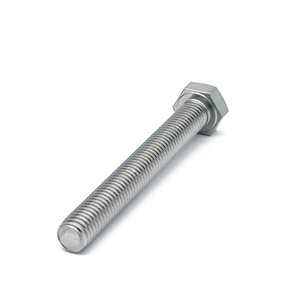
Heavy hex head bolts crafted from AISI 316/316L stainless steel. Engineered for splash zones, topside modules, and shipbuilding fasteners with superior pitting resistance.
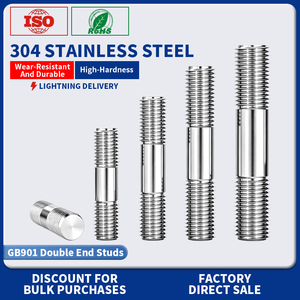
Precision double-head metric threaded rod bars (M6-M16) with plain finish. Designed for rigid structural tie-ins, vessel nozzles, and petrochemical pump casings.
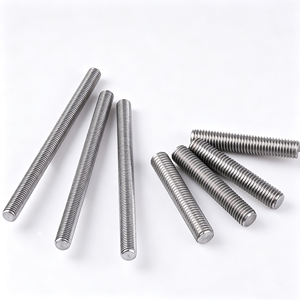
High-tensile continuous threaded studs manufactured to DIN 975 standards. Anti-corrosion austenitic build tailored for heavy construction, pipeline hangers, and HVAC risers.
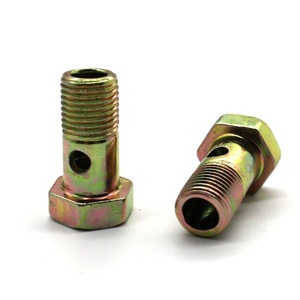
Hollow fluid-transfer banjo bolts manufactured for oilfield hydraulic control units, blowout preventer (BOP) fluid lines, and high-pressure metering systems.
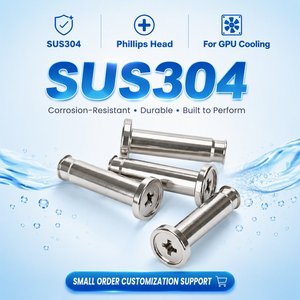
Flat head Phillips drive 24mm length passivated fasteners. Custom engineered for offshore control cabinet enclosures, avionics panels, and subsea instrumentation housing.
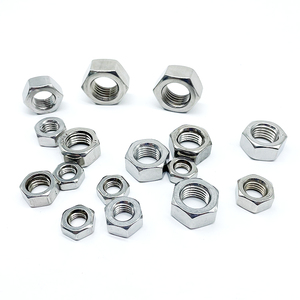
M3-M24 heavy-duty industrial hexagon nuts with black oxide surface treatment. Factory-direct wholesale pricing for high-load pressure vessel bolting packages.
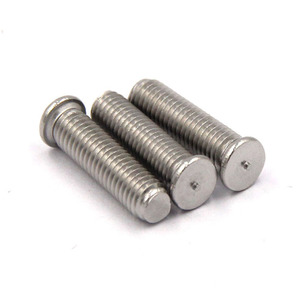
Metric M3-M12 stainless steel weld studs for rapid structural attachment on oil storage tanks, offshore vessel bulkheads, and heat exchanger insulation cladding.
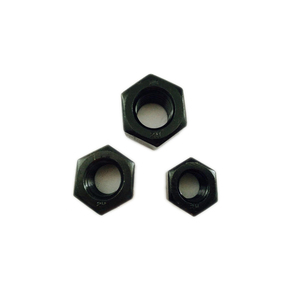
Quenched and tempered alloy steel heavy hex nuts. The industry benchmark for pairing with ASTM A193 B7 stud bolts in high-pressure oilfield flange connections.
In modern offshore exploration, subsea production systems, and downstream refining, joint integrity is the single paramount safeguard against catastrophic fluid loss, environmental contamination, and unscheduled plant shutdowns. Bolted flanged connections—governed by ASME B16.5, ASME B16.47, and API 6A specifications—rely fundamentally on the elastic clamping force provided by high-tensile stud bolts. As an ISO 9001:2015 accredited manufacturer and direct exporter based in Mumbai, India, our organization specializes in producing CE Certified Oilfield Stud Bolts engineered specifically to withstand severe cyclic mechanical loading, thermal shock, and aggressive chemical environments.
CE Certification under the Pressure Equipment Directive (PED 2014/68/EU) guarantees that every stud bolt, heavy hex nut, and threaded rod satisfies strict European safety guidelines regarding material ductility, impact toughness at sub-zero temperatures, and verifiable chemical heat composition. In sour gas service containing elevated levels of Hydrogen Sulfide (H₂S), standard commercial fasteners fail rapidly due to Sulfide Stress Cracking (SSC) and Hydrogen Embrittlement (HE). Our specialized oilfield fastener manufacturing pipeline incorporates controlled hardness testing, secondary vacuum degassing, and vacuum heat treatment to adhere rigorously to NACE MR0175 / ISO 15156 standards.
Our stud bolts feature 100% cold thread rolling rather than metal cutting. Thread rolling burnishes the root radius, creating continuous grain flow lines and increasing fatigue resistance by up to 30% under high cyclic pressure vibration.
ASTM A320 Grade L7 and L43 stud bolts undergo Charpy V-Notch impact testing down to -150°F (-101°C), ensuring structural ductility for LNG storage tanks and Arctic offshore drilling modules.
Every single bar stock lot undergoes X-ray Fluorescence (XRF) Positive Material Identification (PMI) testing. Steel heat numbers are deep-stamped onto stud ends for lifetime auditability under EN 10204 3.1 certification.
| Material Specification | Primary Application Field | Operating Temp. Range | Tensile Strength (Min) | Hardness Range | Compliance Standards |
|---|---|---|---|---|---|
| ASTM A193 Grade B7 | High Pressure Refineries & Valves | -29°C to 425°C | 125 ksi (860 MPa) | 32 HRC Max | ASME B16.5 PED 2014/68/EU |
| ASTM A193 Grade B7M | Sour Gas (H₂S) Wellhead Equipment | -29°C to 425°C | 100 ksi (690 MPa) | 22 HRC Max | NACE MR0175 API 6A |
| ASTM A193 Grade B16 | High Temp Power Plants & Boilers | -29°C to 525°C | 125 ksi (860 MPa) | 35 HRC Max | ASTM A193 CE Certified |
| ASTM A320 Grade L7 | Cryogenic LNG & Arctic Service | -101°C to 345°C | 125 ksi (860 MPa) | 32 HRC Max | Charpy -101°C BS EN 10204 |
| ASTM A193 Grade B8 Cl 2 | Offshore Topsides & Chemical Piping | -196°C to 538°C | 110 ksi (760 MPa) | 32 HRC Max | AISI 304 Strain HD |
| UNS S32750 (Super Duplex) | Subsea Manifolds & Desalination | -50°C to 300°C | 116 ksi (800 MPa) | 32 HRC Max | PREN > 42 NACE MR0175 |
| Inconel 718 (UNS N07718) | HPHT Subsea & Gas Turbines | -250°C to 704°C | 185 ksi (1275 MPa) | 40 HRC Max | API 6A CRA ISO 15156 |
Corrosion mitigation in subsea trees, platform risers, and coastal refineries demands engineered surface treatments that survive saline exposure without altering critical thread fits. Standard hot-dip galvanizing often causes thread binding and risks Hydrogen Embrittlement on high-strength alloy steel (tensile strength > 1000 MPa). To solve this, our enterprise coating facility provides specialized fluoropolymer and electrodeposited finishes:
Xylan® multi-coat systems provide an extremely low coefficient of friction (0.05 to 0.08), ensuring predictable torque-tension relationships during hydraulic bolting operations. Tested to exceed 3,000 Hours of ASTM B117 Salt Spray Exposure, Xylan coating prevents chemical attack from acids, alkalis, and marine splash zones while preventing thread galling during breakout maintenance.
Offering 12-15% Nickel alloy deposition, Zinc-Nickel plating provides sacrificial corrosion protection far superior to conventional bright zinc. It handles temperatures up to 200°C, eliminates red rust up to 1,500 hours in salt spray chambers, and poses zero risk of hydrogen embrittlement when combined with post-plating baking at 200°C for 24 hours.
Widely specified in offshore marine and defense sectors, Cadmium offers exceptional natural lubricity, galvanically shielding steel against aluminum structures while maintaining low break-out torque values in subsea conditions.
As the global energy sector transitions toward deepwater exploration, Carbon Capture, Utilization, and Storage (CCUS), and Green Hydrogen infrastructure, procurement leaders are shifting vendor selection criteria from basic unit pricing toward total life-cycle risk mitigation. Key procurement trends shaping the industry include:
With decades of specialized manufacturing expertise, Stud Bolt India stands as a premier manufacturing exporter headquartered in Mumbai, India. We combine advanced metallurgical forging, automated thread rolling, and in-house testing laboratories to serve major state-owned oil companies, international engineering firms, and marine equipment original equipment manufacturers (OEMs).
Equipped with optical emission spectrometers,Charpy impact testers, 100-ton tensile test beds, and micro-hardness testers. 100% batch testing backed by EN 10204 3.1 & 3.2 certification.
Exporting seaworthy packed fastener shipments to over 24 countries across North America, the Middle East (Saudi Aramco & ADNOC standards compliant), Europe, and Australia.
Manufacturing UN, UNJ, Metric, and ACME thread profiles to ASME B18.31.2, DIN 975, and DIN 976 specifications. Special stud lengths cut and chamfered to precise customer drawings.
Find authoritative answers to critical engineering, manufacturing, and international procurement queries regarding oilfield stud bolts.
Consult with our technical engineering team in Mumbai for material selection, custom thread pitch drawings, export packaging specifications, and immediate wholesale pricing.