
Explore our CE-certified and ISO 9001-compliant fastener range, precision-manufactured for critical sealing integrity across high-pressure valves, heavy machinery, and subsea flange connections.
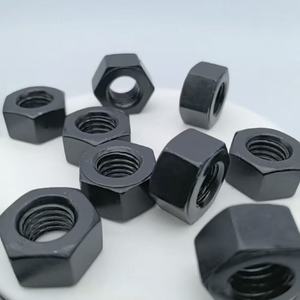
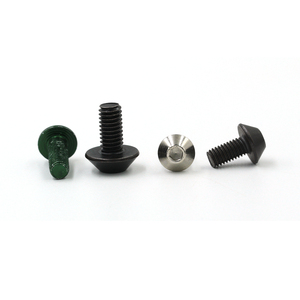
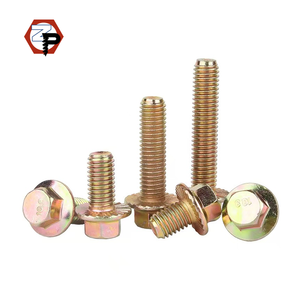
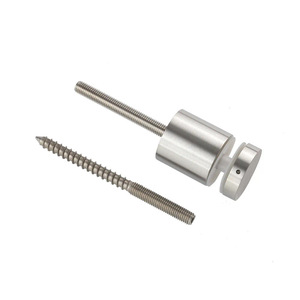
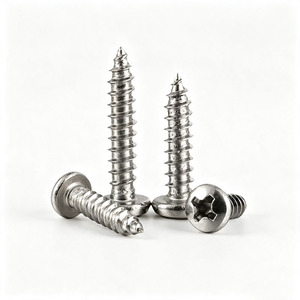
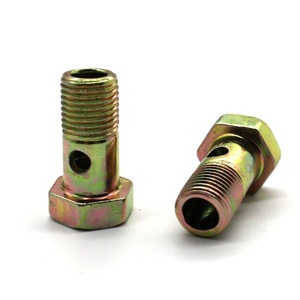
In modern hydrocarbon processing, offshore energy production, and high-pressure steam distribution, the integrity of a flanged joint is governed directly by the mechanical properties and clamping preload generated by its fastener assembly. As a leading CE Certified Valve Flange Bolts Manufacturer & Supplier based in Mumbai, India, our engineering focus centers on mitigating flange leakage, stress relaxation, and catastrophic joint failure under cyclic thermal loads and high internal pressure regimes.
Under European Pressure Equipment Directive (PED 2014/68/EU) standards and ASME Pressure Vessel Codes (ASME Boiler and Pressure Vessel Code Section VIII), valve flange studs and bolts must maintain verified yield stress limits, fatigue resistance, and chemical homogeneity. Our manufacturing line integrates controlled induction hot forging, precision CNC thread rolling, and fully audited heat-treatment cycles (quenching and tempering) to produce fasteners compliant with ASTM A193 Grade B7, B7M, B16, ASTM A320 Grade L7/L43, and exotic corrosion-resistant alloys including Duplex 2205, Super Duplex 2507, and Inconel 718.
Selecting the proper bolt and nut combination is mandatory to prevent galling, galvanic corrosion, and joint decompression. Below is a comprehensive engineering specification matrix detailing standard valve flange bolting grades, operational thermal envelopes, and recommended companion nuts.
| Standard & Grade | Material Class | Operating Temp Range | Min. Tensile Strength | Companion Nut Spec | Primary Industrial Application |
|---|---|---|---|---|---|
| ASTM A193 B7 | AISI 4140/4142 Cr-Mo Steel | -29°C to 425°C (-20°F to 800°F) | 125 ksi (860 MPa) [≤ 2.5"] | ASTM A194 Grade 2H Heavy Hex | Standard ASME B16.5 Oil & Gas Valve Flanges |
| ASTM A193 B7M | Controlled Hardness Cr-Mo | -29°C to 425°C (Sour Service) | 100 ksi (690 MPa) | ASTM A194 Grade 2HM Heavy Hex | NACE MR0175/ISO 15156 H2S Corrosive Media |
| ASTM A193 B16 | Cr-Mo-V High Temp Alloy | -29°C to 538°C (-20°F to 1000°F) | 125 ksi (860 MPa) | ASTM A194 Grade 4 or Grade 7 | High-Pressure Steam Valves & Turbine Casing |
| ASTM A320 L7 / L43 | Low-Temp Alloy Steel | -101°C to 343°C (-150°F to 650°F) | 125 ksi (860 MPa) | ASTM A194 Grade 7 or 7M | LNG Terminals, Cryogenic Valves, Arctic Piping |
| ASTM A193 B8 Class 2 | AISI 304 SS (Strain Hardened) | -196°C to 538°C (-320°F to 1000°F) | 125 ksi (860 MPa) [≤ 3/4"] | ASTM A194 Grade 8 Stainless Nut | Chemical Processing & Corrosive Fluid Control |
| UNS S32750 (2507) | Super Duplex Stainless Steel | -40°C to 300°C (PREN ≥ 42) | 116 ksi (800 MPa) | Matching UNS S32750 Heavy Nut | Offshore Seawater Valves & Desalination |
| Inconel 718 (UNS N07718) | Precipitation Hardened Ni-Cr | -253°C to 650°C (-423°F to 1200°F) | 185 ksi (1275 MPa) | Inconel 718 Custom Machined Nut | Extreme Deepwater Subsea & Aerospace Valves |
Valve flange bolts operating in marine offshore, splash zones, and aggressive chemical processing plants require advanced surface passivations to eliminate rust creep and thread seizure. We provide high-performance engineering coatings evaluated under ASTM B117 salt spray testing:
Standard coarse threads often experience localized stress concentrations at the first working thread inside the nut. For high-pressure valve bonnet and flange connections, our production applies refined pitch geometry:
As global industrial energy sectors transition toward decarbonization, hydrogen fuel transport, and ultra-deepwater extraction, supply chain managers and EPC procurement heads face shifting requirements. Key trends shaping fastener sourcing over the next decade include:
Traditional torque wrenches measure rotational friction rather than true bolt elongation. Global EPCs are increasingly specifying smart flange stud bolts integrated with piezoelectric strain sensors or ultrasonic measurement caps. This allows real-time monitoring of clamping tension during thermal cycles without shutting down pressure lines.
With the growth of hydrogen blending and sour gas injection, conventional 316L stainless steel studs are being replaced by Super Duplex UNS S32750 and Inconel alloys. Procurement strategies emphasize higher Pitting Resistance Equivalent Numbers (PREN > 40) to prevent localized pitting corrosion in damp hydrogen environments.
Procurement teams now mandate complete digital material passports. Buyers require heat-number laser engraving on each stud bolt paired with digitally verifiable EN 10204 3.1 Material Test Reports (MTRs) to guarantee non-conflict steel sourcing and compliance with European CBAM carbon footprint benchmarks.
Fastener manufacturing is evolving from basic forging into an advanced materials science discipline. Our ongoing investments in production technologies address the extreme mechanical demands of modern industrial processing:
By combining precision closed-die forging for high-strength bolt shanks with targeted laser additive manufacturing for custom flange engagement profiles, complex non-standard valve bolts can be manufactured without long tool-making lead times. This hybrid technique dramatically lowers production scrap rates while maintaining grain boundary alignment along stress vectors.
To surpass traditional fluoropolymer thermal thresholds (~260°C), modern development focuses on inorganic ceramic-nanocomposite coatings. Applied via Physical Vapor Deposition (PVD) or specialized thermal spray, these nano-coatings offer operating stability up to 800°C while eliminating anti-seize compound re-application during routine valve maintenance turnarounds.
Headquartered in Mumbai, India, our manufacturing infrastructure combines metallographic testing, automated CNC thread shaping, and full quality assurance under one roof. We act as an integrated manufacturing partner for valve fabricators, refiners, and piping contractors globally.
Our quality management system is certified to ISO 9001:2015. We maintain CE certification compliance enabling direct export of pressure-retaining flange studs under European Directive 2014/68/EU for critical pressure equipment.
Every batch undergoes Positive Material Identification (PMI), Charpy V-Notch impact testing down to cryogenic temperatures (-196°C), Rockwell/Brinell hardness testing, proof load testing, and NDT ultrasonic inspections.
Serving clients across 24+ countries (including UAE, Saudi Arabia, USA, UK, Germany, and Australia), all orders feature seaworthy wooden crate packaging, individual thread sleeve protection, and EN 10204 3.1 certification dossiers.
Clear answers to common engineering, compliance, and ordering queries for valve flange bolt procurement.
Need CE-certified stud bolts, heavy hex nuts, or coated fasteners for an upcoming piping project or valve production schedule? Our engineering team delivers rapid material selection support, MTR documentation, and competitive factory-direct pricing.