
Explore our flagship high-tensile, stainless, and exotic alloy fastener range manufactured under ISO 9001:2015 standards with full material traceability.
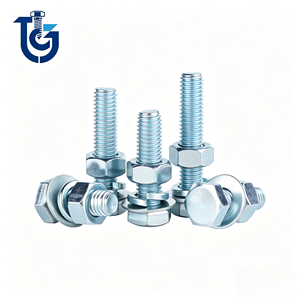
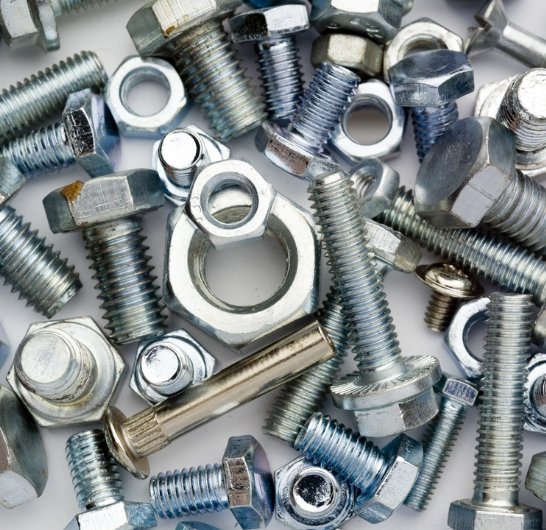
Precision cold-forged carbon steel structural bolts electro-plated with blue-white zinc for enhanced corrosion barrier protection.
Get Catalog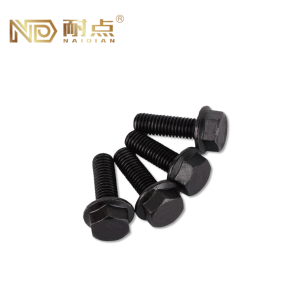
Integrated flange design distributes joint clamping loads without separate washers. Ideal for heavy steel framework construction.
Get Catalog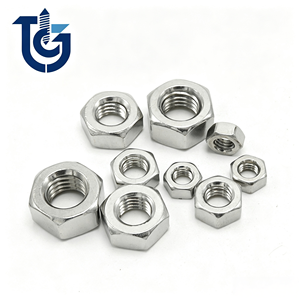
Austenitic stainless metric hex nuts conforming to DIN 934 standards. High chemical resistance for fluid control systems.
Get Catalog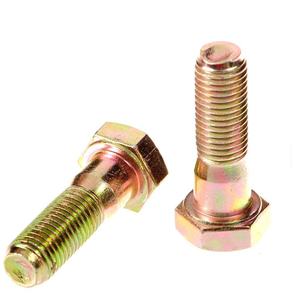
Quenched and tempered alloy steel bolts engineered for pressure vessels, high-temperature boilers, and sour gas processing facilities.
Get Catalog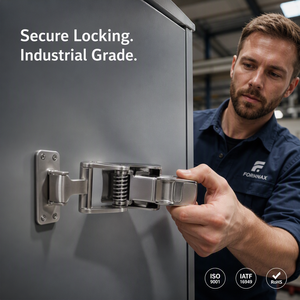
Heavy-duty stainless toggle latches designed for industrial enclosures, access panels, and high-vibration containment assemblies.
Get Catalog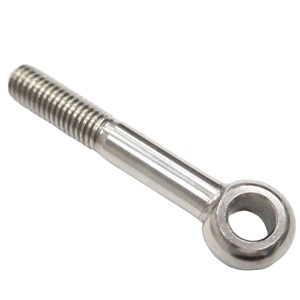
Precision machined eye bolts for rigging, tensioning, and mechanical linkage anchors in marine and heavy equipment setups.
Get Catalog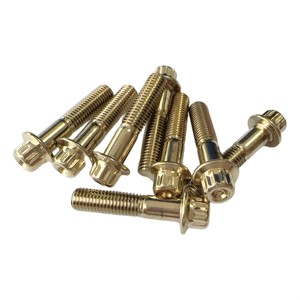
Ultra-high tensile 4140 chromoly steel 12-point bolts engineered for motorsport wheels and high-shear dynamic load stresses.
Get Catalog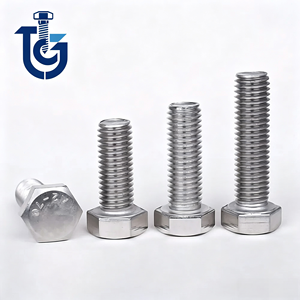
Full-thread corrosion resistant stainless steel metric bolts catering to OEM assembly lines and maintenance spares.
Get CatalogDouble-ended stud bolts—frequently specified under international standards such as DIN 938 (tap end = 1d), DIN 939 (tap end = 1.25d), DIN 835 (tap end = 2d), and ASME B18.31.2—are mission-critical mechanical fasteners engineered for severe bolted joint assemblies. Unlike continuously threaded rods or hex head bolts, double-ended studs feature threaded sections at both terminal ends separated by an unthreaded central shank (body).
In high-pressure flange connections, pump casings, engine blocks, and pressure vessel heads, double-ended studs provide superior load distribution compared to conventional cap screws. By driving the tap end firmly into a tapped substrate hole and utilizing a heavy hex nut on the nut end, engineers achieve uniform pre-load tension without exposing internal casting threads to damaging rotational friction during torqueing operations.
Key Advantage: Eliminates thread wear in base components, drastically improves fatigue life under cyclic vibration, and facilitates swift maintenance alignment during plant turnarounds.
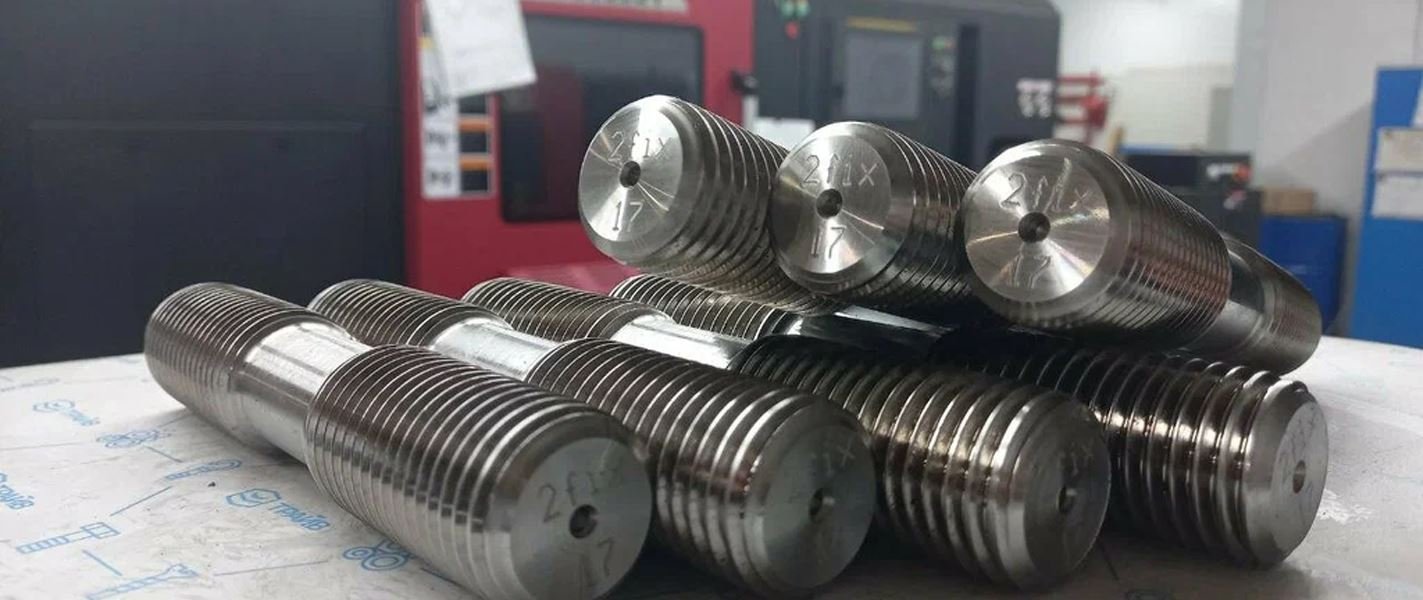
Selecting the precise alloy grade ensures joint integrity, prevents galling, and prevents catastrophic stress corrosion cracking (SCC) under extreme thermal and mechanical loads.
| Standard & Grade | Material Classification | Tensile Strength (Min) | Yield Strength (Min) | Operating Temp Range | Primary Industrial Applications |
|---|---|---|---|---|---|
| ASTM A193 Grade B7 | Chromium-Molybdenum Alloy Steel (AISI 4140/4142) | 125 ksi (860 MPa) | 105 ksi (720 MPa) | -29°C to 425°C | Oil & gas refineries, high-pressure piping, ASME valves. |
| ASTM A193 Grade B7M | Quenched & Tempered Cr-Mo Alloy (Controlled Hardness) | 100 ksi (690 MPa) | 80 ksi (550 MPa) | -29°C to 425°C | NACE MR0175 sour gas service, wet H2S environments. |
| ASTM A193 Grade B16 | Chromium-Molybdenum-Vanadium Alloy Steel | 125 ksi (860 MPa) | 105 ksi (720 MPa) | -29°C to 525°C | Ultra-high temperature steam turbines, power plants. |
| ASTM A320 Grade L7 | Low-Temperature Alloy Steel (Charpy Impact Tested) | 125 ksi (860 MPa) | 105 ksi (720 MPa) | -101°C to 345°C | LNG re-gasification, cryogenic storage, Arctic pipelines. |
| ASTM A193 Grade B8 / B8M | AISI 304 / 316 Stainless Steel (Class 1 & Class 2) | 75 to 110 ksi | 30 to 95 ksi | -196°C to 538°C | Chemical processing, offshore platforms, food machinery. |
| Duplex UNS S31803 / S32205 | 22Cr Ferritic-Austenitic Duplex Stainless Steel | 95 ksi (655 MPa) | 65 ksi (450 MPa) | -50°C to 300°C | Desalination plants, marine equipment, acid wash systems. |
| Super Duplex UNS S32750 | 25Cr Super Duplex Stainless Steel (PREN > 40) | 116 ksi (800 MPa) | 80 ksi (550 MPa) | -50°C to 250°C | Subsea manifold trees, high-chloride marine environments. |
| Inconel 718 (UNS N07718) | Nickel-Chromium Precipitation Hardened Superalloy | 185 ksi (1275 MPa) | 150 ksi (1034 MPa) | -253°C to 650°C | Aerospace turbines, downhole oil drilling, nuclear reactors. |
For specialized operating environments where standard carbon and austenitic stainless steels fail, China's leading factories produce specialized superalloys engineered for zero-tolerance applications.
Non-magnetic nickel-based superalloys providing supreme creep rupture strength up to 700°C and virtual immunity to chloride-ion stress corrosion cracking.
Featuring a Pitting Resistance Equivalent Number (PREN) exceeding 40, these studs excel in sour gas, warm seawater, and concentrated nitric acid environments.
Precision heat-treated alloy steel stud bolts supplied complete with ASTM A194 Grade 2H heavy hex nuts for high-pressure pipeline flanges.
Unmatched resistance to strong oxidizers such as ferric and cupric chlorides, hot contaminated organic media, and wet chlorine gas.
Exceptional strength-to-weight ratio coupled with complete immunity to marine corrosion, chlorine bleaching, and oxidizing environments.
Nickel-copper alloy studs offering outstanding performance in rapidly flowing seawater, hydrofluoric acid, and strong alkaline salt solutions.
As global industrial infrastructure transitions toward hydrogen energy, deepwater drilling, and automated plant maintenance, fastener procurement standards are undergoing significant technical evolutions.
Conventional zinc plating is increasingly being replaced by specialized fluoropolymer coatings (such as Xylan 1424, PTFE, and Dacromet 500NC). Modern offshore EPC contractors mandate a minimum salt spray resistance of 1,500 to 3,000 hours without red rust (per ASTM B117). High-tech Chinese factories now implement automated electrostatic powder spray lines that guarantee precise coating thickness (20–25 µm), ensuring low friction coefficients (µ = 0.08 to 0.12) to prevent galling during automated torqueing.
The global shift toward extended fatigue life demands cold-rolled threads over traditional machine-cut threads. Thread rolling reorganizes the metallic grain structure along continuous flow lines rather than interrupting them, increasing thread shear strength by up to 20% and improving fatigue endurance limits under dynamic load fluctuations. Top China double-ended stud suppliers utilize high-speed hydraulic thread rolling equipment with micro-pitch control.
In accordance with ISO 10423 and API 20E (Bolting Specifications for Petroleum & Natural Gas Industry), procurement officers now require digital material traceability. Leading manufacturers stamp unique heat codes directly onto the face of double-ended studs and embed QR codes on wooden export crates. This allows quality assurance inspectors to instantaneously access EN 10204 3.1 chemical analysis, Charpy V-notch impact values, and Ultrasonic Test (UT) reports via cloud portals.
Global procurement teams are moving away from spot-market buying toward long-term strategic supplier partnerships in China. Tier-1 manufacturers offer specialized OEM machining for non-standard tap lengths (e.g., DIN 939 tap end = 1.25d or custom engineering prints), flexible minimum order quantities (MOQs), and seaworthy VCI anti-corrosion packaging to mitigate ocean transit degradation.
Our partner manufacturing facilities represent the pinnacle of Chinese fastener engineering. By combining vertically integrated raw material sourcing with state-of-the-art heat treatment and CNC machining, we deliver world-class fasteners at competitive factory-direct prices.
X-ray fluorescence (XRF) analyzers verify chemical composition on every steel heat lot before forging.
Precision computer-controlled thermal cycles ensure uniform core-to-surface tensile and yield properties.
Full accommodation for independent pre-shipment inspections, dimensional verification, and proof load testing.
Our double-ended studs and high-tensile fasteners are installed across demanding industrial environments around the globe.

ASTM A193 B7/B7M studs designed for ANSI B16.5 pipe flanges, heat exchangers, and catalytic crackers.

PTFE-coated duplex and stainless stud bolts resisting corrosive chemical vapors and acidic media.
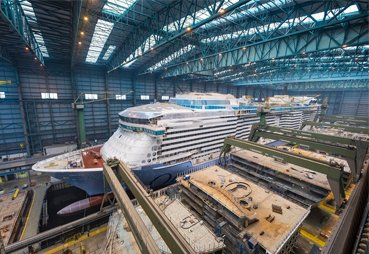
Super Duplex S32750 and Monel K500 studs engineered for seawater splash zones and FPSO vessels.

Inconel 718 and Titanium studs providing high creep strength under severe thermal cycling.
Clear, authoritative technical answers to assist procurement officers, QA engineers, and supply chain directors.
The fundamental difference lies in the length of the tap end (the end threaded into the base metal body). DIN 938 features a tap end length equal to 1 times the nominal thread diameter (1d), intended for steel housing. DIN 939 features a tap end length equal to 1.25 times the diameter (1.25d), designed for cast iron component threading. DIN 835 features a longer tap end of 2 times the diameter (2d), intended for softer metals like aluminum alloys.
For double-ended studs with a shank, length is typically measured from end to end (overall length L) or from thread tip to thread tip, excluding points/chamfers if governed by ASME B18.31.2. For continuous thread stud bolts (ASME B16.5 flanges), length is measured first-thread-to-first-thread (effective length). Always specify the standard applied during ordering to prevent dimensional discrepancies.
ASTM A194 Grade 2H heavy hex nuts are quenched and tempered carbon steel nuts with high proof load strength, matched metallurgically to match or exceed the yield strength of A193 Grade B7 alloy studs. Using standard hex nuts or lower strength grades can lead to thread stripping under high assembly torque.
For offshore platforms and subsea equipment, PTFE (fluoropolymer) coatings over a zinc-nickel or phosphate base coat provide optimum performance. They combine 1,500+ hours of salt spray corrosion protection with low coefficient of friction (µ = 0.08–0.12), ensuring predictable bolt tensioning without torque wrench binding.
Yes. Reputable Chinese fastener manufacturers provide complete EN 10204 3.1 material test certificates with full chemical melt heat numbers, mechanical tensile/hardness tests, Charpy V-notch impact data, and hardness control test records conforming to NACE MR0175/ISO 15156 for sour oilfield service.
Shipments are protected against salt air corrosion using internal VCI (Vapor Corrosion Inhibitor) plastic liners, sealed inside heavy-duty ISPM-15 compliant heat-treated wooden crates or reinforced steel drums, steel-strapped onto ISPM-15 pallets with corner guards.
Direct factory prices, custom drawings supported, full chemical/mechanical test reports, and fast global export shipping.