
Manufactured to ISO 9001:2015, ASTM, ASME, DIN, and ISO standards with complete heat-number material traceability for extreme salt spray and high-load marine operations.
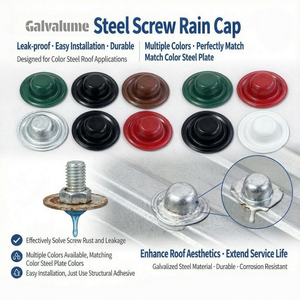
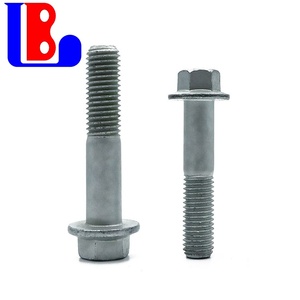
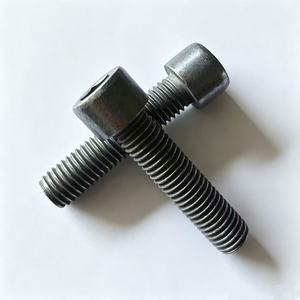
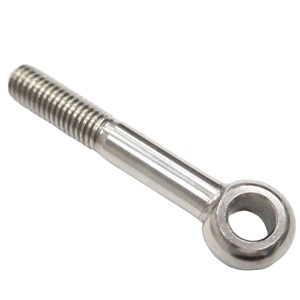
Operating from China's premier industrial metallurgy hub, our facility integrates advanced cold-heading, CNC precision threading, multi-stage heat treatment, and surface passivation to solve severe maritime degradation.
Marine environments are notoriously aggressive due to dissolved sodium chloride, ambient humidity, and bio-fouling. We deploy high-PREN (Pitting Resistance Equivalent Number) alloys such as 316L, Duplex 2205, and Super Duplex S32750 to guarantee structural integrity in splash zones and subsea installations.
Unlike cut threads that disrupt grain boundaries, our fasteners feature rolled threads formed through plastic deformation. This increases fatigue strength by up to 30%, dramatically reducing the risk of fatigue failures under cyclic wave loading and engine vibration.
Every batch undergoes rigorous quality assurance including Positive Material Identification (PMI), Charpy V-Notch impact testing, microstructural phase analysis, and 1,500+ hour salt spray testing in compliance with ASTM B117 standards. Supplied with EN 10204 3.1 certificates.
Selecting the correct alloy for maritime operational environments dictates total service life and prevents catastrophic structural failure. Review our technical selection baseline:
| Material Grade | UNS / Standard | PREN Rating | Tensile Strength (MPa) | Corrosion Resistance | Recommended Marine Application |
|---|---|---|---|---|---|
| AISI 316 / 316L Stainless | UNS S31600 / S31603 | 23 - 25 | 515 - 620 | High (Atmospheric & Splash) | Yacht hardware, deck fittings, marine handrails, container locks |
| Duplex 2205 | UNS S31803 / S32205 | 34 - 36 | 655 - 880 | Superior (Chloride Pitting Resistant) | Offshore platform piping, marine pumps, seawater pressure vessels |
| Super Duplex 2507 | UNS S32750 | > 42 | 750 - 1000 | Extreme (Deepwater & Subsea) | Subsea manifolds, desalinization plants, offshore oil & gas risers |
| Inconel 625 / 718 | UNS N06625 / N07718 | > 45 | 930 - 1240 | Ultra-High (High Temp & Sour Gas) | Marine exhaust systems, submarine propulsion, naval turbine bolts |
| Zinc-Nickel Plated Grade 8.8 | ISO 898-1 Class 8.8 | N/A (Coated) | 800 - 1000 | 1500+ Hrs Salt Spray (ASTM B117) | Heavy automotive marine transport, container house chassis, structural winches |
As offshore operations push into deeper waters and environmental regulations tighten globally, the fastener manufacturing industry is undergoing critical technological shifts.
Traditional hot-dip galvanizing is increasingly being replaced by Zinc-Nickel electroplating combined with Fluoropolymer (PTFE/Xylan) topcoats. This hybrid barrier provides non-galling properties, controlled friction coefficients for torque consistency, and over 1,500 hours of continuous salt-spray exposure without red rust formation.
To combat localized crevice corrosion beneath bolt heads and sealing washers, naval architects are migrating from standard 316L to dual-phase ferritic-austenitic steels. Duplex alloys provide twice the yield strength of conventional austenitic stainless steel, allowing engineers to downsize bolt diameters while increasing structural load limits.
High-criticality offshore flange connections now require real-time load monitoring. Modern marine fasteners are engineered with micro-recessed ultrasonic sensors or permanent datum pins to enable ultrasonic strain measurement during maintenance shutdowns, preventing catastrophic leaks in subsea oil & gas conduits.
Global shipyards and offshore EPC contractors now mandate low-carbon footprint raw materials. Our factory leverages recycled stainless steel scrap melted in electric arc furnaces (EAF) powered by renewable energy, reducing embedded carbon emissions by up to 45% per ton of finished fasteners.
Procurement directors and supply chain managers in the maritime sector face shifting dynamics driven by geopolitical adjustments, volatile raw material prices, and stringent quality governance.
B2B buyers are moving away from piecemeal sourcing. Procurement teams now prefer integrated original equipment manufacturers (OEMs) who can deliver complete bolting assemblies—combining heavy hex bolts, stud bolts, cap nuts, and self-sealing washers—with unified material certification under a single purchase order.
Counterfeit fasteners pose severe safety hazards in marine engineering. Future procurement contracts heavily prioritize vendors providing digitized Material Test Reports (MTRs) embedded with QR-code heat number verification, allowing field inspectors to confirm chemical composition and mechanical test logs instantly via mobile devices.
While low-grade carbon steel bolts present lower upfront costs, premature saltwater failure results in millions of dollars in drydock downtime. Leading procurement organizations are evaluating fasteners based on lifetime cost-per-year, favoring pre-passivated stainless steel and specialty coated fasteners that eliminate field replacement.
Direct technical answers to common queries raised by marine engineers, procurement officers, and quality assurance inspectors.
Partner with China's leading marine grade fastener manufacturer. Submit your detailed material specifications, dimensions, and quantity requirements to receive an expedited technical quote within 24 hours.