
Explore our export-ready range of hot-dip galvanized anchor bolts, high-tensile stud bolts, and custom-machined structural hardware manufactured to ASTM, DIN, and ISO standards.
A comprehensive technical analysis of structural load transfer, metallurgy selection, hot-dip galvanizing electrochemistry, and manufacturing standards for global civil infrastructure projects.
Anchor bolts serve as the fundamental structural bridge connecting steel superstructures to reinforced concrete foundations. Whether securing high-voltage transmission towers, heavy industrial machinery, petrochemical pressure vessels, wind turbine foundations, or highway bridge girders, the mechanical integrity of the anchor bolt assembly dictates the safety margin of the entire engineering asset.
In structural design, anchor bolts are engineered to resist high combinations of axial tension, static and dynamic shear, and overturning moments. Selecting the optimal combination of steel substrate metallurgy and surface protective coating is critical to mitigating catastrophic structural failure caused by cyclic loading, stress corrosion cracking (SCC), or atmospheric oxidation.
Information Gain Insight: Structural failures in marine and industrial environments rarely occur from ultimate tensile load overrun alone; 83% of anchor bolt failures stem from localized corrosion pitting at the concrete-air interface combined with micro-fractures induced by hydrogen embrittlement during sub-standard pickling and plating procedures.
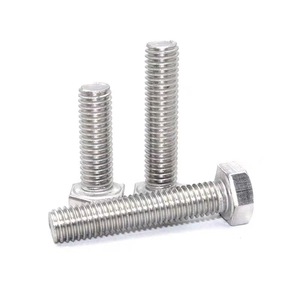
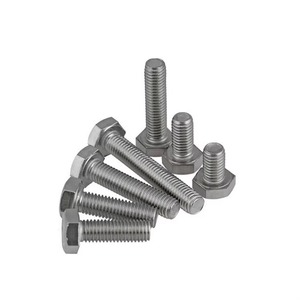
Our OEM/ODM manufacturing facilities specialize in precision forging and thread-rolling across all major international structural bolt standards. Depending on project specifications, anchor bolts are engineered from distinct steel compositions:
Standard low-carbon structural steel offering nominal yield strength of 36 ksi (248 MPa). Excellent weldability and ductility for light-to-medium structural column baseplates.
High-strength modified low-alloy steel providing 55 ksi (380 MPa) yield strength. Designed for applications requiring elevated tension capacity without excessive bolt diameter enlargement.
Heat-treated, quenched, and tempered alloy steel delivering 105 ksi (724 MPa) yield strength. Essential for heavy industrial structures, dynamic crane runways, and high-wind structures.
Understanding the metallurgical bond formation between molten zinc and steel substrate according to ASTM A153 / ASTM F2329 standards.
Unlike paint coatings or zinc electroplating (which merely provide barrier protection), Hot-Dip Galvanizing creates an imperviously bonded series of zinc-iron alloy layers through a thermal diffusion reaction at ~450°C (840°F):
Even if an anchor bolt surface is scratched or gouged during heavy construction positioning, the surrounding zinc acts as a sacrificial anode. Because zinc has a more negative electrochemical potential than iron (-0.76V vs. -0.44V), it corrodes preferentially, sacrificing itself to continuously protect the underlying steel substrate from moisture and oxygen ingress.
For thread engagement accuracy, our factory utilizes high-speed centrifugal spin-galvanizing immediately after bath immersion, ensuring clean, uniform thread profiles without excess zinc pooling.
| Coating Type | Average Thickness | ISO 12944 Environment | Estimated Life to First Maintenance | Hydrogen Embrittlement Risk |
|---|---|---|---|---|
| Hot-Dip Galvanizing (HDG) | 55 µm – 85 µm (400–600 g/m²) | C3 – C5 (Industrial / Marine) | 50+ Years | Very Low (with acid inhibitor controls) |
| Zinc Electroplating (EG) | 5 µm – 12 µm | C1 – C2 (Dry Indoor) | 2 – 5 Years | Moderate (requires baking) |
| Dacromet / Geomet Coating | 8 µm – 15 µm | C3 – C4 (Automotive / Chemical) | 15 – 25 Years | Zero (Non-electrolytic process) |
| PTFE / Xylan Fluoropolymer | 20 µm – 35 µm | C4 – CX (Offshore Oil & Gas) | 20 – 30 Years | Zero |
Key technological shifts shaping global anchor bolt manufacturing, environmental compliance, and supply chain logistics.
Global EPC contractors are rapidly enforcing Scope 3 emission limits. Future anchor bolt procurement heavily favors factories utilizing electric induction galvanizing kettles powered by renewable energy and zero-discharge closed-loop acid recycling systems.
To eliminate counterfeit fastener usage in mission-critical civil projects, next-generation OEM anchor bolts feature micro-laser etched QR codes and embedded RFID tags containing heat-lot numbers, mill test reports (MTR), and torque specifications accessible directly via mobile inspection units.
With offshore wind turbines expanding to 15MW+ capacities, foundation anchor cage systems require extreme dynamic fatigue resistance. Cut threads are being phased out in favor of 100% cold-rolled threads post-heat treatment, boosting fatigue limits by over 30%.
Direct factory manufacturing, state-of-the-art testing equipment, and end-to-end quality assurance for global project developers.
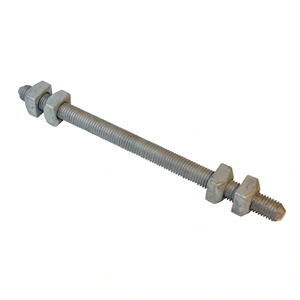
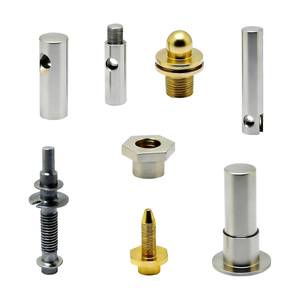
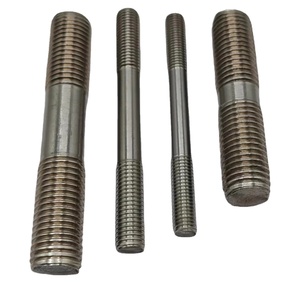
Custom bent L-bolts, J-bolts, welded plate anchors, sleeve anchors, and heavy hex stud assemblies manufactured strictly to customer engineering drawings.
Every export shipment includes complete chemical analysis, mechanical property testing (Tensile, Yield, Elongation), Charpy impact test, and HDG thickness verification.
Nuts used with hot-dip galvanized anchor bolts are over-tapped to ASTM A563 / A194 standards to accommodate the 50-80 micron zinc layer without binding or thread galling.
Heavy-duty fumigated wooden crates, steel-strapped export pallets, and inner waterproof VCI anticorrosion film bags ensure zero rust during ocean transport.
Detailed engineering answers to critical questions commonly asked by procurement managers, structural consultants, and quality inspectors.
The primary distinction lies in their mechanical yield and tensile strength capabilities. Grade 36 is a ductile carbon steel with a yield strength of 36 ksi (248 MPa), ideal for general light structure anchorage. Grade 55 is a modified alloy steel offering 55 ksi (380 MPa) yield strength. Grade 105 is a quenched and tempered high-strength alloy steel delivering 105 ksi (724 MPa) yield strength, specifically engineered for high dynamic load applications, heavy industrial machinery, and wind turbine towers.
Hot-dip galvanizing adds a protective zinc layer ranging from 45 µm to over 85 µm to the external threads of the anchor bolt. If a standard pitch nut is used, the extra coating thickness will cause thread binding or physical jamming during assembly. To compensate, internal nut threads are over-tapped (typically by 0.4 mm to 0.8 mm depending on diameter) per ASTM A563 or ASTM A194 standards, ensuring smooth hand assembly while retaining full thread shear engagement strength.
High-tensile steels with hardness above 32 HRC (such as ASTM F1554 Grade 105 or Grade 12.9 fasteners) are vulnerable to atomic hydrogen absorption during traditional acid pickling. Our factory utilizes mechanical blast cleaning instead of chemical acid etching prior to galvanizing, combined with mandatory post-plate baking (hydrogen relief annealing at 190°C–220°C for 4 to 8 hours) to ensure complete removal of free hydrogen ions before coating solidification.
To provide an accurate technical quotation, please specify: (1) Bolt style (e.g., L-type, J-type, Headed, Welded Plate); (2) Material grade or standard (e.g., ASTM F1554 Gr 55, SS316, Grade 8.8); (3) Nominal diameter, overall length, and required thread length; (4) Surface finish requirement (HDG, Electro-zinc, Dacromet, Plain); and (5) Accessories required (number of hex nuts, hardened flat washers, or anchor plate dimensions).
Every exported lot is issued an EN 10204 3.1 Material Test Report (MTR). This includes raw material heat-lot chemistry, tensile yield strength, elongation percentage, reduction of area, Charpy V-notch impact toughness (where specified), coating thickness measurement via magnetic gauge, thread pitch gauge verification, and third-party inspection (SGS, TUV, BV) sign-off upon request.
Welding directly on hot-dip galvanized steel is generally discouraged without proper surface preparation because vaporized zinc produces toxic fumes (zinc oxide weld smoke) and creates porosity in the weld bead. If welding to a embedded plate is necessary, the zinc coating must be ground off 50mm back from the weld zone prior to welding, and then touched up using a high-zinc rich cold galvanizing compound compliant with ASTM A780.
Consult with our structural engineering team today to review your project specifications, request mill test certificates, or receive a competitive factory-direct quotation within 24 hours.