
Directly Manufactured & Exported from ISO-Certified Chinese Production Lines with Full Material Traceability
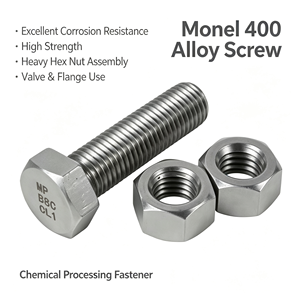
Engineered for valve flanges and harsh chemical processing systems. Features superior tensile strength and thick HDG zinc protection against acid exposure.
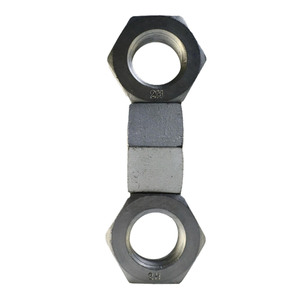
High-strength heat-treated carbon steel heavy hex nut designed for high-pressure, high-temperature service in refinery piping and structural anchor systems.
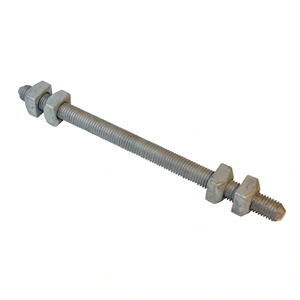
Double-ended threaded studs produced for heavy equipment assembly, flange jointing, and foundation anchor points requiring uniform strain distribution.
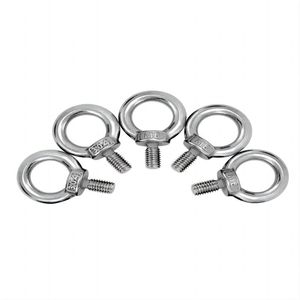
Precision-forged marine grade stainless steel eye bolts for tensioning rigs, overhead rigging, and saltwater offshore vessel mountings.
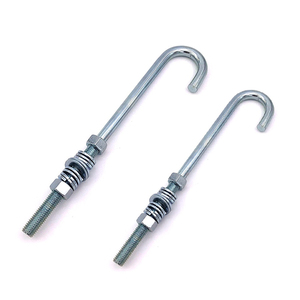
Ultra-durable AISI 316/A4 stainless steel foundation anchors developed to resist pitting and crevice corrosion in submerged marine infrastructure.
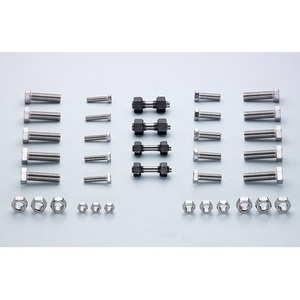
Versatile selection of micro-thread set screws available in nylon locking materials, zinc plating, and black oxide for electronic and mechanical assemblies.
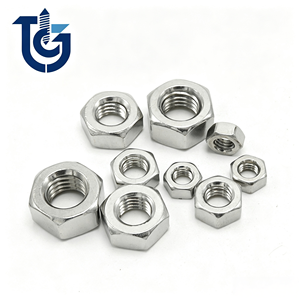
Standard metric hex nuts fabricated with exact pitch thread tolerances. Excellent galling resistance when paired with stainless steel threaded rods.
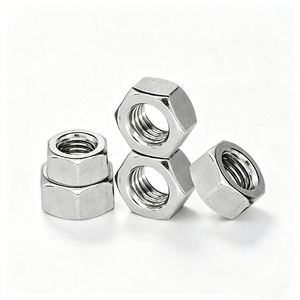
Complete hardware combinations comprising high-yield metric nuts and matching machine bolts for factory maintenance and industrial distribution.
In high-stress industrial applications—ranging from offshore petro-chemical platforms and high-pressure steam lines to seismic-resistant commercial building foundations—the reliability of threaded rod fasteners and stud bolt assemblies dictates overall structural integrity. China has evolved from a high-volume hardware producer into an advanced engineering hub capable of producing specialized fasteners to international standards including ASTM, ASME, DIN, ISO, BS, and JIS.
Selecting the optimal OEM/ODM China exporter requires a technical understanding of material metallurgy, thread-forming mechanics, thermal treatment processes, and anti-corrosion surface finishes. This document outlines critical parameters for procurement specialists, structural engineers, and global distributors seeking long-term supply chain partnerships.
Selecting the right raw steel composition directly influences yield strength, elongation, impact toughness at sub-zero temperatures, and resistance to environmental stress cracking (ESC). Chinese specialized fastener foundries process high-grade carbon steels, alloy steels, and stainless steel formulations:
| Standard Specification | Material Grade | Tensile Strength (Min) | Yield Strength (Min) | Target Applications |
|---|---|---|---|---|
| ASTM A193 / A193M | Grade B7 (Chromium-Moly) | 125 ksi (860 MPa) | 105 ksi (720 MPa) | High-pressure valves, pressure vessels, and boilers. |
| ASTM A193 / A193M | Grade B8 / B8M (SS 304/316) | 75 ksi (515 MPa) | 30 ksi (205 MPa) | Chemical process piping, cryogenic vessels, marine hardware. |
| ASTM A320 / A320M | Grade L7 (Low-Temp Alloy) | 125 ksi (860 MPa) | 105 ksi (720 MPa) | LNG terminals, arctic pipelines down to -100°F (-73°C). |
| DIN 975 / DIN 976 | Class 8.8 / 10.9 High Tensile | 800 - 1040 MPa | 640 - 940 MPa | Heavy machinery framing, concrete anchoring, steel structure. |
| UNS S31803 / S32205 | Duplex 2205 Stainless | 95 ksi (655 MPa) | 65 ksi (450 MPa) | Desalination plants, marine platforms, severe chloride duty. |
Leading Chinese factories employ cold CNC thread rolling over traditional lathe cutting for industrial-grade threaded rods and double-end studs. Thread rolling cold-works the steel fibers, rearranging the grain structure along continuous flow lines rather than interrupting them.
Atmospheric moisture, salt fog spray, acidic condensate, and galvanic coupling accelerate corrosion in industrial bolted joints. Leading Chinese fastener exporters provide specialized coating options tested under ASTM B117 salt spray chambers:
Produces a multi-layer zinc-iron alloy reaction zone (45–85 μm thickness). Excellent sacrificial barrier for outdoor power grids, bridges, and solar tracking structures. Resists salt spray up to 1,000+ hours.
Applies zinc powder via impact energy without thermal immersion. Completely eliminates Hydrogen Embrittlement (HE) risks, making it mandatory for Grade 10.9 and 12.9 ultra-high tensile rods.
Multi-coat composite layer providing extremely low friction coefficients (μ = 0.06 to 0.08) for consistent torque-tension calibration. Ideal for offshore subsea flanges subjected to severe chemical environments.
Our featured Chinese factory facilities implement comprehensive Quality Assurance (QA) and Quality Control (QC) protocols from raw wire rod coil inspection down to export pallet strapping. Our operations align strictly with E-E-A-T guidelines to guarantee total risk mitigation for global engineering buyers.
Every incoming steel coil undergoes Positive Material Identification (PMI) via X-ray fluorescence (XRF) to verify chemical compositions (Cr, Mo, Ni, C, P, S) prior to cold heading.
Magnetic Particle Inspection (MPI) and Ultrasonic Flaw Detection are performed on critical high-tensile B7/B16 stud bolts to identify subsurface inclusions or micro-quench cracks.
Shipments include complete Material Test Reports (MTRs) documenting heat numbers, chemical analysis, mechanical proof load, Charpy V-notch impact values, and hardness testing (HRC/HBW).
The global industrial fastener marketplace is undergoing fundamental transformations driven by sustainability metrics, automation, and real-time logistics tracking. International buyers partnering with tier-1 Chinese exporters should anticipate the following technological shifts:
With Europe’s Carbon Border Adjustment Mechanism (CBAM) and global ESG mandates, premier Chinese fastener foundries are transitioning to Electric Arc Furnace (EAF) steel production powered by renewable energy. This reduces the embodied carbon footprint per ton of threaded rod by up to 45%, assisting global EPC firms in meeting Scope 3 carbon reduction targets.
High-speed 360-degree optical vision sorting machines are now standard across high-capacity Chinese plants. These machines inspect thread pitch, head concentricity, shank straightness, and surface burrs at speeds exceeding 600 pieces per minute, delivering defect rates below 50 PPM (Parts Per Million) for automated robotic assembly lines.
To prevent counterfeit material substitution in critical energy projects, modern stud bolts and heavy hex nuts are increasingly laser-etched with unique batch codes or QR codes on the bolt face. Site inspectors can instantly scan the fastener to view the original mill certificate, heat treat charts, and lab inspection data.
Answers to technical, operational, and commercial questions commonly raised by procurement managers and structural engineers.
ASTM A193 B7 is a chromium-molybdenum heat-treated alloy steel specification explicitly designed for high-temperature, high-pressure pressure vessel and flange applications, requiring mandatory heat treatment (quenched and tempered). DIN 975 Grade 8.8 represents a general metric property class for medium-carbon steel threaded rods suitable for general structural and mechanical clamping. B7 studs typically undergo stricter non-destructive testing and elevated temperature tensile verification.
For high-tensile fasteners (Class 10.9, 12.9, ASTM A193 B7, or core hardness exceeding 31 HRC), electro-galvanizing introduces atomic hydrogen into the steel lattice. Our factory mandates a post-plating baking process (de-embrittlement relief) at 190°C to 220°C for a minimum of 4 to 24 hours immediately following electroplating, in accordance with ASTM B849 standards.
Standard carbon steel and stainless steel threaded rods (e.g., M6 to M36, 1-meter to 3-meter lengths) maintained in stock have no strict MOQ. For custom cut-to-length stud bolts, specialized thread pitches, or exotic alloys (Duplex 2205, Inconel), the typical MOQ is 500 kg per size. Standard export production lead times range from 15 to 25 days depending on plating requirements.
Yes. We routinely cooperate with independent international inspection agencies such as SGS, TÜV Rheinland, Bureau Veritas (BV), and Intertek. Third-party inspectors can conduct dimensional verification, chemical re-analysis, tensile testing, and container loading supervision at our port warehouses prior to vessel departure.
Full-thread rods and long stud bolts are bundled in heavy-duty waterproof woven bags, fitted with plastic end-cap thread protectors, and secured inside solid fumigated wooden crates or steel-banded ISPM-15 compliant pallets. VCI (Vapor Corrosion Inhibitor) film is incorporated into every package to prevent oxidation caused by ocean humidity.
Connect directly with our engineering sales team for competitive factory-direct pricing, mill test certificate requests, or custom drawing evaluations.