
Explore our inventory of high-precision thread studs, double-end bolts, and specialized industrial fasteners produced strictly according to DIN, ISO, ASTM, and ASME standards.
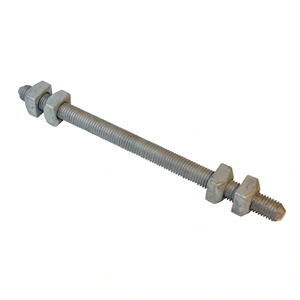
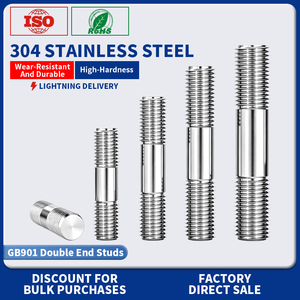
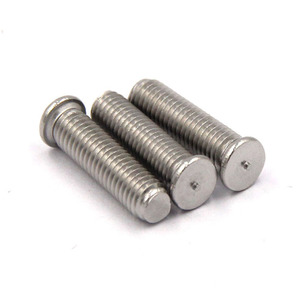
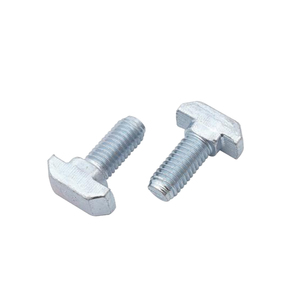
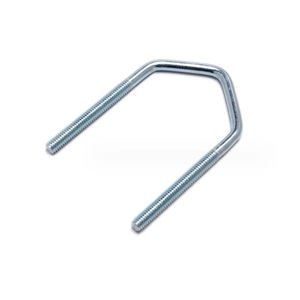
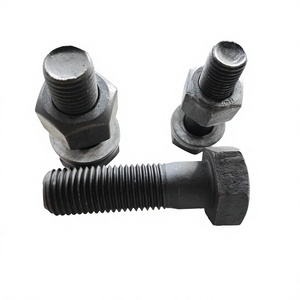
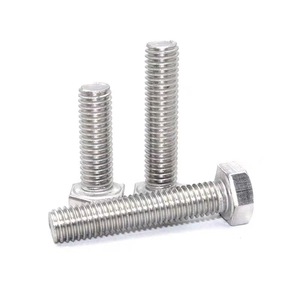
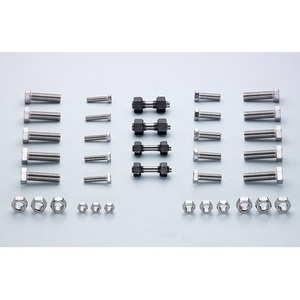
In high-pressure fluid systems, power generation turbines, subsea manifolds, and chemical reactors, the structural integrity of flanged mechanical joints depends fundamentally on fastener reliability. Metric stud bolts—manufactured in continuous full-thread (DIN 975 / DIN 976 / ASME B18.31.2) or double-end configurations (DIN 938, DIN 939, DIN 835)—are engineered to convert applied tightening torque into uniform axial clamping force, ensuring zero-leakage performance under extreme thermal cycling and dynamic mechanical fatigue.
Unlike conventional hex bolts, stud bolts utilize two heavy hex nuts on opposing threaded ends. This symmetry enables precise elongation measurement via ultrasonic bolt tensioning, eliminates torsional shear stress during installation, and allows for rapid disassembly during plant maintenance. As a global manufacturing authority and trusted export partner operating out of India's engineering hub in Mumbai, our production processes align with strict ISO 965-1 metric thread tolerances (6g/6H fits), ensuring seamless field interchangeability.
Selecting the precise alloy grade requires balancing yield strength, creep resistance, chloride pitting resistance, and operating temperature thresholds. Below is an authoritative technical reference for engineers, procurement leads, and EPC contractors:
| Standard Grade | Material Specification | Tensile Strength (Min) | Yield Strength (Min) | Operating Temp Range | Primary Application Environment |
|---|---|---|---|---|---|
| ASTM A193 B7 | AISI 4140/4142 Cr-Mo Alloy Steel (Q&T) | 860 MPa (125 ksi) | 720 MPa (105 ksi) | -29°C to 425°C | High-pressure refinery piping, pressure vessels, boilers |
| ASTM A193 B7M | Cr-Mo Alloy Steel (Controlled Hardness 235 HBW) | 690 MPa (100 ksi) | 550 MPa (80 ksi) | -29°C to 425°C | NACE MR0175 / ISO 15156 Sour Gas (H2S) service |
| ASTM A193 B16 | Chromium-Molybdenum-Vanadium Steel | 860 MPa (125 ksi) | 720 MPa (105 ksi) | -29°C to 525°C | Ultra-high-temperature steam turbines, power boilers |
| ASTM A320 L7 | AISI 4140 Cr-Mo (Charpy V-Notch Tested) | 860 MPa (125 ksi) | 720 MPa (105 ksi) | -101°C to 340°C | Cryogenic gas processing, LNG terminals, Arctic duty |
| ASTM A193 B8 Cl.2 | AISI 304 Stainless Steel (Strain Hardened) | 760 MPa (110 ksi) | 650 MPa (95 ksi) | -196°C to 538°C | Corrosive chemical handling, sanitary systems, marine |
| ASTM A193 B8M Cl.2 | AISI 316 Stainless Steel (Strain Hardened) | 760 MPa (110 ksi) | 650 MPa (95 ksi) | -196°C to 538°C | Marine, offshore platforms, chloride-rich chemical media |
| Duplex 2205 (S31803) | 22% Cr Ferritic-Austenitic Steel | 655 MPa (95 ksi) | 450 MPa (65 ksi) | -50°C to 300°C | Desalination plants, pulp & paper, sour oil wells |
| Super Duplex S32750 | 25% Cr Super Duplex (PREN ≥ 40) | 750 MPa (109 ksi) | 550 MPa (80 ksi) | -50°C to 250°C | Subsea equipment, FPSO vessels, high-chloride environments |
| Inconel 718 (N07718) | Precipitation-Hardened Ni-Cr Alloy | 1240 MPa (180 ksi) | 1030 MPa (150 ksi) | -253°C to 704°C | Aerospace engines, subsea wellheads, nuclear reactors |
Fastener failure in offshore and chemical installations is rarely driven by pure static overload; it is overwhelmingly caused by galvanic corrosion, stress corrosion cracking (SCC), or thread galling during high-torque assembly. To mitigate these risks, our metric stud bolts are supplied with specialized barrier coatings engineered for specific environmental stresses:
Provides exceptional chemical barrier protection and a ultra-low coefficient of friction (μ = 0.06 - 0.08). Eliminates galling during tensioning and survives 1,500+ hours of ASTM B117 salt spray testing.
Conforming to ASTM A153 / ISO 1461, HDG provides a sacrificial zinc layer (minimum 50μm thickness) ideal for outdoor structural steelwork, solar racking, and heavy construction environments.
An automotive and subsea standard offering 12-15% Ni alloy plating. Outperforms traditional electro-zinc by 5-10x in salt spray endurance without risk of hydrogen embrittlement when baked properly.
Key market vectors shaping global supply chain strategies, specification frameworks, and material choices for EPC engineering teams.
As energy majors pivot toward green hydrogen production and cryogenic ammonia transport, traditional carbon steel fasteners face severe risk of hydrogen embrittlement (HE) and low-temperature brittle fracture. Global procurement is rapidly shifting toward specialized austenitic grades (B8 Class 2) and nickel superalloys (Inconel 718, Monel K-500) treated with vacuum degasification and strict hardness controls (max 22 HRC).
Preventative maintenance schedules are moving from periodic manual torque audits to continuous real-time clamping force monitoring. Smart metric stud bolts equipped with micro-piezoelectric sensors or ultrasonic transducers transmit live tension data to plant DCS systems, catching joint relaxation and gasket yield before catastrophic flange leaks occur in high-hazard installations.
Counterfeit fasteners and unverified mill test reports represent major operational liabilities. Buyers across Europe, North America, and the GCC now mandate EN 10204 3.1 material certificates backed by raw heat-number QR codes stamped directly onto bolt ends, providing instantaneous verification of chemical composition, heat treatment charts, and mechanical test results.
Environmental regulations (REACH, RoHS 3) are phasing out hexavalent chromium (Cr6+) passivations globally. Modern procurement specifications strictly mandate trivalent chromium (Cr3+) or non-electrolytic zinc flake coatings (Geomet®, Zintek®) that eliminate hazardous effluent during manufacturing while maintaining superior corrosion barriers.
Combining state-of-the-art cold and hot forging lines with world-class metallurgical testing to deliver zero-defect industrial fastening packages.
Threads are rolled rather than cut, inducing beneficial compressive residual stress at the root fillet. This increases fatigue resistance by up to 300% compared to conventional cut threads, making our studs resilient against vibration and cyclic pressure spikes.
Every production lot undergoes rigorous Positive Material Identification (PMI via XRF spectrometers), Brinell/Rockwell hardness testing, Charpy V-notch impact testing at -101°C, hydrostatic proof load testing, and magnetic particle inspection (MPI) for micro-cracks.
Serving project sites across 24+ countries (including UAE, Saudi Arabia, USA, Germany, UK, Australia). Fasteners are packed in heavy-duty wooden crates, VCI rust-inhibitor bags, and color-coded boxes for rapid warehouse sorting.
Expert answers to common technical, metallurgical, and procurement inquiries regarding metric stud bolts and industrial bolting packages.
Send us your bill of materials (BOM), project drawing, or detailed specification (grade, diameter, thread pitch, coating, and quantity). Our senior metallurgical sales team will revert within 4 business hours.
Send an Inquiry