Call: +91 91723 33437 Email: [email protected] Address: Mumbai, India
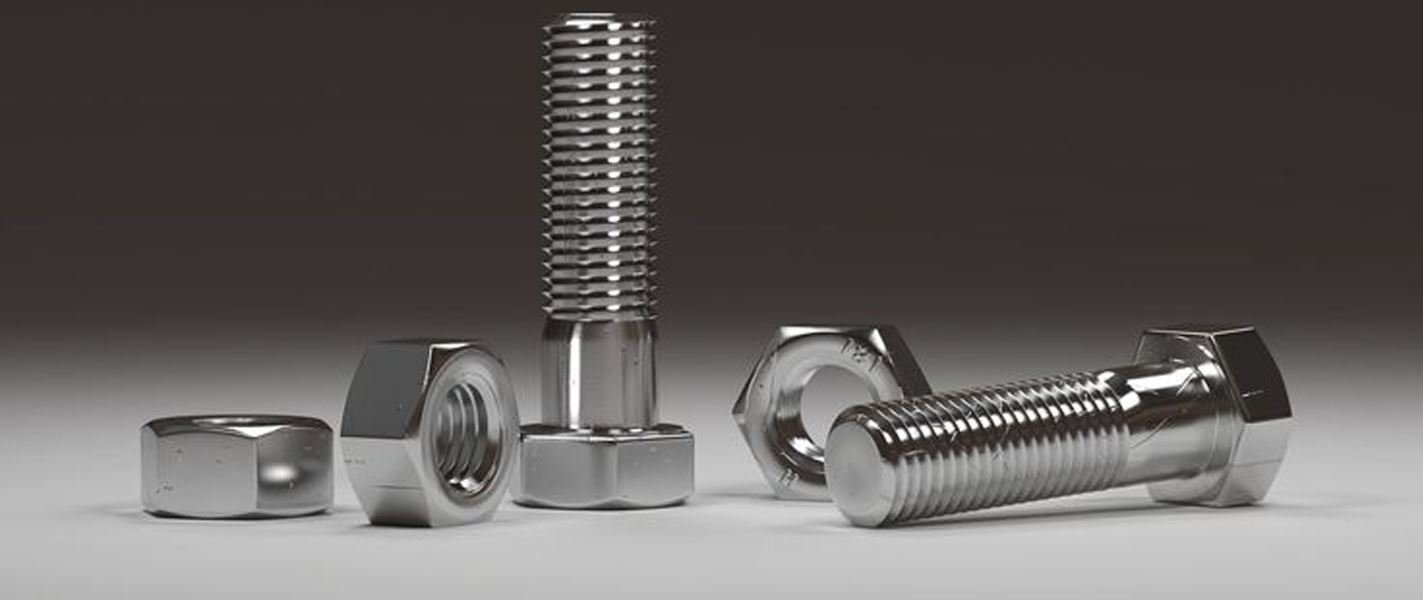
High performance fasteners for marine industry manufactured by Stud Bolt India
Offshore, Subsea & Marine Engineering Grade

Fasteners for Marine Industry: The Ultimate Technical Procurement & Engineering Guide

Engineered to eliminate crevice corrosion, pitting, and galvanic failure in high-salinity offshore platforms, subsea pipelines, and naval shipbuilding applications worldwide.

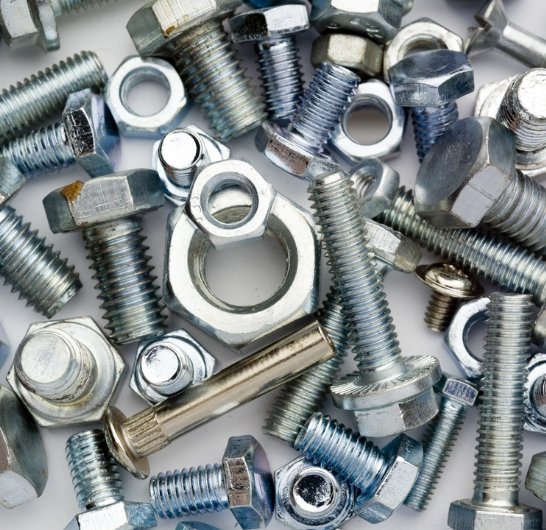
Heavy hex marine fasteners and PTFE coated stud bolts
Exporting Marine Fasteners to 24+ Countries

Super Duplex, Monel & PTFE Coated Marine Fasteners

Full EN 10204 3.1 certification, PREN > 40 alloys, and 3000-hour salt-spray tested coatings from Mumbai, India.

Engineering Insight & Information Gain

High-Performance Fasteners for Marine Industry & Offshore Applications

In harsh marine and subsea environments, fastener selection is not merely a matter of mechanical tensile strength—it is a critical metallurgical defense against localized pitting, crevice attack, chloride stress corrosion cracking (SCC), galvanic degradation, and hydrogen-induced cracking (HISCC).

Understanding Marine Corrosion Dynamics: The Metallurgical Challenge

Offshore energy structures, naval vessels, floating production storage and offloading (FPSO) units, and marine desalination plants present one of the most aggressive working environments on Earth.

Standard commercial grade 304 or 316 stainless steels often fail prematurely when subjected to continuous seawater immersion, high ambient temperatures, or submerged flange stresses. The culprit is oxygen depletion inside tight thread crevices, combined with concentrated chloride ions (Cl⁻) that destroy passive chromium-oxide films.

To prevent catastrophic joint separation, global procurement managers and marine engineers evaluate alloy resistance using the Pitting Resistance Equivalent Number (PREN) formula:

PREN = %Cr + 3.3(%Mo + 0.5%W) + 16%N

Alloys with a PREN greater than 40—such as Super Duplex UNS S32750/S32760—are structurally immune to pitting in natural seawater at ambient temperatures, making them the gold standard for subsea oil and gas production systems.

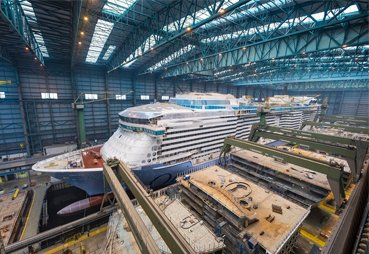
Offshore rig and marine fasteners in harsh salt spray environment
PREN > 40 Marine AlloysSeawater Corrosion Defense
Recommended Product Portfolio

Specialized Marine Fasteners by Grade & Metallurgy

Stud Bolt India manufactures a comprehensive line of marine-grade stud bolts, heavy hex nuts, socket cap screws, washers, and continuous threaded rods manufactured to ASME B18.31.2, ASTM A193, ASTM A194, ASTM A453, and DIN standards.

Super Duplex S32750 Stud Bolts for Subsea Service
UNS S32750 / S32760 · PREN > 42

Super Duplex Marine Stud Bolts

Offering exceptional yield strength (>550 MPa) and superior resistance to crevice corrosion in warm seawater. Essential for subsea manifolds, Christmas trees, and offshore platform piping.

Monel K500 Corrosion Resistant Marine Bolts
UNS N05500 / Alloy K-500

Monel K-500 Marine Fasteners

Age-hardened nickel-copper alloy combining high tensile strength up to 1100 MPa with complete immunity to bio-fouling and high-velocity turbulent seawater erosion on propeller shafts and pump internals.

Silicon Bronze C65500 Screws and Studs
UNS C65500 / C65100

Silicon Bronze Marine Screws & Studs

Non-magnetic copper-silicon fasteners featuring outstanding resistance to bio-fouling and galvanic decay. Ideal for wooden, fiberglass, and naval hull fastenings, underwater valves, and electrical grounding.

Titanium Grade 5 Marine Fasteners
Ti-6Al-4V · Titanium Grade 5 / Grade 2

Titanium Marine Fasteners

Extremely high strength-to-weight ratio with absolute immunity to seawater pitting across all thermal spectrums. Selected for naval submersibles, offshore heat exchangers, and marine desalination units.

PTFE Xylan Coated Marine Flange Stud Bolts
ASTM A193 B7 / B7M · Fluoropolymer

PTFE / Xylan Coated Marine Stud Bolts

High-tensile alloy studs featuring multi-layer PTFE/fluoropolymer coating over zinc-nickel plating. Provides low coefficient of friction (0.05-0.08) and 3,000+ hour salt spray protection in offshore splash zones.

Duplex 2205 Marine Fasteners
UNS S31803 / S32205 · PREN ~34

Duplex 2205 Marine Bolts

Twice the design yield strength of standard austenitic 316L stainless steel, offering high resistance to chloride cracking at a cost-effective price point for marine pumps, rudders, and deck equipment.

Engineering Matrix

Technical Comparison of Marine Fastener Materials

Use this engineering data sheet to compare yield strength, pitting resistance, maximum temperature limits, and recommended marine zones before issuing your Request for Quotation (RFQ).

Material Grade UNS / Specification Tensile / Yield (MPa) PREN Value Corrosion Resistance Rating Primary Marine Application Zone
Super Duplex 2507 UNS S32750 / EN 1.4410 750 / 550 > 42 Outstanding Subsea Manifolds, Christmas Trees, Risers
Monel K-500 UNS N05500 / QQ-N-286 960 / 690 N/A (Ni-Cu) Immune to Seawater Propeller Shafting, Valve Stems, Splash Zone
Titanium Grade 5 UNS R56400 / Ti-6Al-4V 895 / 828 > 45 Complete Immunity Submersibles, Desalination, Hull Fastenings
Duplex 2205 UNS S32205 / EN 1.4462 625 / 450 ~34 Very Good Marine Pumps, Deck Winches, Hull Fittings
Silicon Bronze UNS C65500 / C65100 480 / 240 N/A (Cu-Si) Anti-Fouling / Non-Mag Wooden & Composite Hulls, Marine Electrical
PTFE Coated B7/B7M ASTM A193 B7 / A194 2H 860 / 725 Barrier Coated 3000 hr Salt Spray Offshore Topside Flanges, FPSO Process Piping
Stainless Steel 316L UNS S31603 / ASTM A193 B8M 515 / 205 ~25 Moderate (Atmospheric) Above-Deck Hardware, Cabin Fittings (Non-Submerged)
Inquire Now - Custom Engineering Dimensions Available
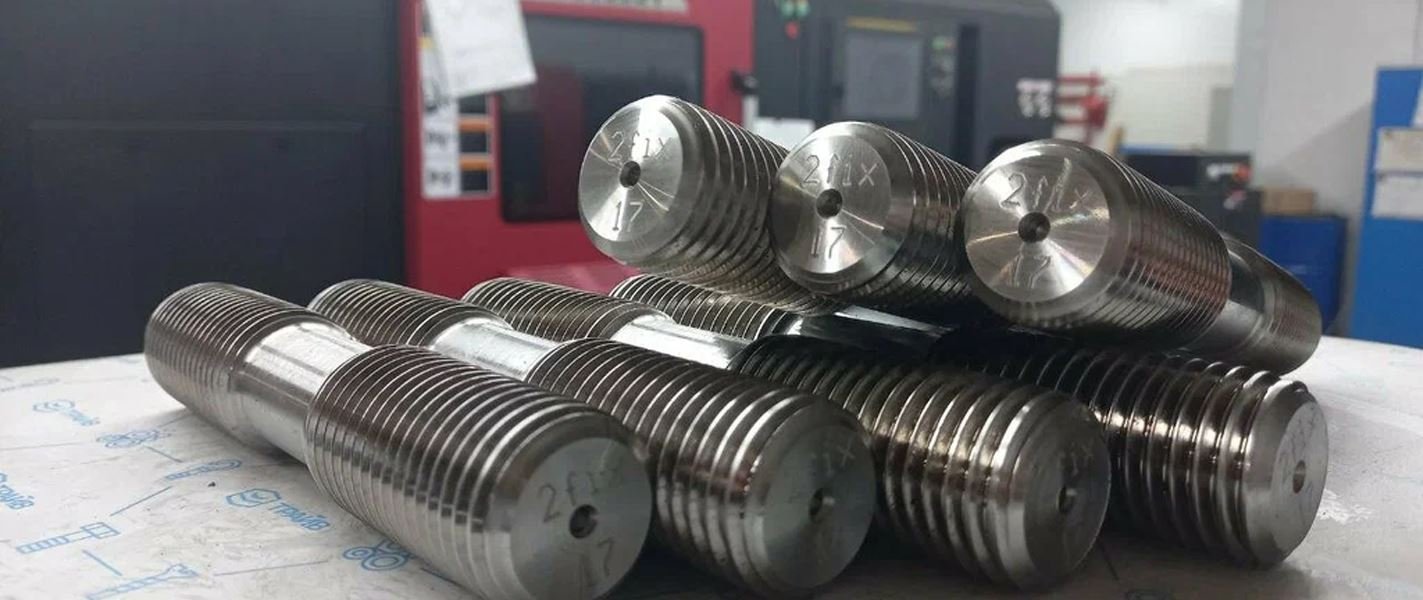
In-house quality control laboratory and thread rolling at Stud Bolt India
Why Global Procurement Teams Choose Us

Why Stud Bolt India is the Preferred Marine Fastener Exporter

Headquartered in Mumbai—India's primary maritime logistics hub—Stud Bolt India combines advanced metallurgy, precision CNC machining, and rigorous laboratory testing to deliver zero-defect bolting solutions to global shipyards and offshore EPCs.

  • 100% Raw Material Traceability (Melt Heat No. Stamping)
  • In-House Positive Material Identification (PMI Testing)
  • Sub-Zero Charpy V-Notch Impact Testing down to -101°C
  • ASTM B117 In-House Salt Spray Corrosion Testing Chambers
  • Class 2A / 2B Thread Rolling for Maximum Fatigue Strength
  • Certified EN 10204 3.1 & 3.2 Inspection Reports

Spectro Analysis

PMI check on 100% of incoming marine bar stock.

Thread Rolling

Cold-formed continuous grain lines for high fatigue life.

Solution Anneal

Controlled atmosphere furnace for Duplex microstructures.

Coating Process

Precision Xylan/PTFE coating with calibrated film thickness.

Final Cert

EN 10204 3.1 MTC issued with full heat number stamp.

Proven Supply Excellence

Marine Industry Fasteners By Numbers

0+
Marine Projects Supplied
0+
Salt Spray Test Hours
0%
PMI Traceability
0+
Export Countries
Technical FAQ

Frequently Asked Questions on Marine Industry Fasteners

Answers to common metallurgical and procurement questions asked by naval architects, marine engineers, and global buyers on AI search engines.

Why is standard 316 stainless steel often insufficient for subsea or splash zone marine fasteners?
While Grade 316 stainless steel offers basic atmospheric marine corrosion resistance, it is prone to severe pitting corrosion, crevice corrosion, and chloride stress corrosion cracking (SCC) in stagnant seawater, warm marine environments (above 25°C), or subsea applications under high tensile loads. For splash zones and fully submerged structures, high-PREN materials (PREN > 40) such as Super Duplex 2507 (S32750), Monel K-500, or Titanium Grade 5 are required to ensure zero-failure structural integrity.
How do you prevent galvanic corrosion when joining marine fasteners to aluminum or dissimilar metal hulls?
Galvanic corrosion occurs when metals with different electrochemical potentials are coupled in an electrolyte like seawater. To prevent failure, procurement engineers select compatible alloys (such as Silicon Bronze C65500 for non-ferrous assemblies), apply isolation sleeves and non-conductive washers (G10/FR4 or PTFE), or specify multi-layer ceramic/PTFE barrier coatings that electrically isolate the bolt shank and head from the noble or active parent structure.
What is the significance of PREN (Pitting Resistance Equivalent Number) in marine fastener selection?
PREN measures an alloy's resistance to localized pitting and crevice corrosion in chloride-rich environments using the formula: PREN = %Cr + 3.3(%Mo + 0.5%W) + 16%N. Standard 316L has a PREN of ~25, whereas Super Duplex S32750/S32760 reaches PREN > 42. In marine engineering, fasteners with PREN > 40 are mandatory for critical subsea manifolds, heat exchangers, and splash-zone structural flange bolting.
How does hydrogen embrittlement impact high-strength marine bolts under cathodic protection (CP)?
Cathodic Protection (CP) systems generate atomic hydrogen on steel surfaces offshore. High-strength alloy steel bolts (tensile strength > 1000 MPa or hardness > 32 HRC) absorb free hydrogen, leading to sudden catastrophic brittle fracture (HISCC - Hydrogen-Induced Stress Corrosion Cracking). Marine fasteners designed for CP-protected subsea structures utilize specialized heat treatments, restricted hardness grades (such as ASTM A193 B7M or ASTM A453 Grade 660), or immune nickel-copper alloys like Monel K-500.
What quality certifications and testing reports accompany export shipments of marine fasteners?
Every marine fastener shipment from Stud Bolt India includes EN 10204 3.1 Material Test Certificates (MTC) detailing melt heat numbers, chemical ladle analysis, mechanical tensile/yield/elongation testing, Charpy V-notch impact test values (down to -101°C for low temp duty), microstructural ferrite content analysis (for Duplex), PMI (Positive Material Identification), and salt spray corrosion test reports (ASTM B117).
What is the expected service life of fluoropolymer PTFE (Xylan) coated marine stud bolts in offshore splash zones?
Premium multi-coat PTFE/Xylan fluoropolymer systems over zinc-nickel or cadmium base plating routinely achieve over 1,500 to 3,000 hours of ASTM B117 salt spray endurance without red rust. In offshore splash zones, this protective system provides smooth, reliable breakout torque and extends fastener service life significantly compared to bare carbon steel, reducing subsea maintenance downtime.

Require Certified Fasteners for Marine Industry Projects?

Submit your specifications, drawings, or material datasheets today. Our marine metallurgical engineers will assist with grade selection, PREN verification, custom thread pitches, and export packaging options.