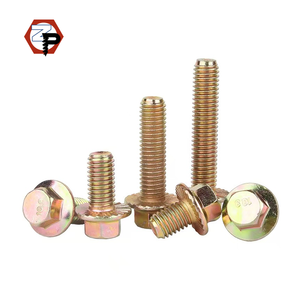

Explore our export-ready range of ASTM/ASME certified stud bolts, heavy hex nuts, socket head cap screws, and corrosion-resistant fasteners tailored for Osaka's marine and petrochemical facilities.
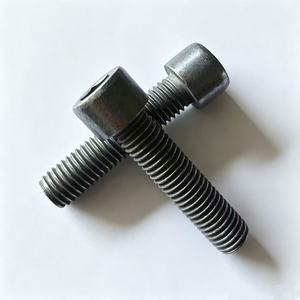
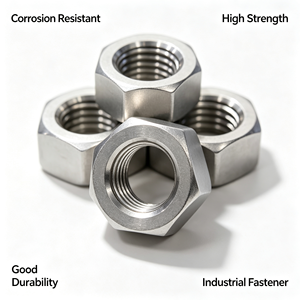
An in-depth engineering assessment of low-temperature alloy steel stud bolts for energy infrastructure, cryogenic piping, and pressure vessel integrity in Osaka Bay.
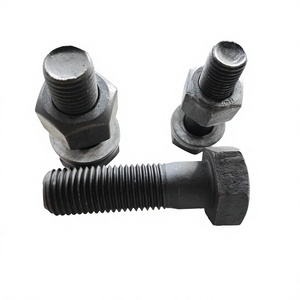
ASTM A320 Grade L7 is manufactured from premium Chromium-Molybdenum alloy steel (AISI 4140/4142 base chemistry). Through controlled electric furnace melting and vacuum degassing, phosphorus and sulfur inclusions are minimized to ensure exceptional impact energy absorption at sub-zero temperatures down to -101°C (-150°F).
Unlike standard high-tensile fasteners (such as ASTM A193 Grade B7), Grade L7 mandatory qualification requires Charpy V-Notch impact testing at -101°C (-150°F). Samples must achieve a minimum lateral expansion of 0.38 mm (0.015 in) or absorption of 20 J (15 ft-lbf) across three test specimens, guaranteeing immunity against brittle fracture under cryogenic pressure spikes.
To develop its specified mechanical strength and fine tempered martensitic microstructure, Grade L7 stud bolts undergo full immersion liquid quenching (oil or water) from above the transformation temperature (840°C–870°C), followed by tempering at a minimum of 600°C (1100°F). This eliminates internal micro-strains while maintaining a minimum yield strength of 725 MPa (105 ksi).
| Technical Parameter | ASTM A320 Grade L7 Requirements | ASTM A194 Grade 4 / Grade 7 Nut Mating | Testing / Acceptance Protocol |
|---|---|---|---|
| Base Material Composition | Cr-Mo Alloy Steel (Chromium: 0.80–1.10%, Molybdenum: 0.15–0.25%) | High-Carbon Moly Alloy Steel (Grade 7) / Carbon-Moly (Grade 4) | Spectrometric PMI & Wet Chemical Analysis per ASTM A751 |
| Tensile Strength (Min) | 125 ksi (860 MPa) [For Diameters ≤ 2.5 inches] | Proof Load: 175 ksi (1200 MPa) Heavy Hex Profile | Full-Size Axial Tensile & Wedge Test per ASTM F606 |
| Yield Strength 0.2% Offset | 105 ksi (725 MPa) Minimum | N/A (Nut Proof Stress Evaluated) | Extensometer Yield Point Determination |
| Impact Test Temperature | -101°C (-150°F) Mandatory Charpy V-Notch | -101°C (-150°F) Impact Certified for Grade 7 | ASTM A370 / JIS Z 2242 Charpy V-Notch Standard |
| Elongation & Reduction of Area | Elongation ≥ 16% in 4D; Area Reduction ≥ 50% | Hardness: 24 to 35 HRC (Grade 7) | Tensile Reduction Verification |
| Applicable Thread Class | ANSI/ASME B1.1 Class 2A (UNS/UNR Series) / Pitch Pitch M-Series | ANSI/ASME B1.1 Class 2B Heavy Hex Nuts | Go / No-Go Thread Pitch Micrometer Inspection |
Osaka’s position as Western Japan’s primary maritime trade, liquefied energy, and chemical manufacturing corridor demands specialized low-temperature bolting solutions engineered for harsh marine and sub-zero operational environments.
The Osaka Bay waterfront hosts critical Liquefied Natural Gas (LNG) receiving terminals, re-gasification trains, and cryogenic storage spheres. Operating at liquefied gas temperatures of -162°C, flange bolting on boil-off gas (BOG) compressors, vacuum-insulated marine loading arms, and cryogenic gate valves requires ASTM A320 L7 stud bolts paired with ASTM A194 Grade 7 Heavy Hex Nuts. This combination prevents thermal fatigue micro-cracking and maintains gasket seating stress under extreme thermal contraction cycles.
Situated along the coastal strip of Osaka Prefecture, the Sakai-Senboku industrial area represents a mega-cluster of ethylene crackers, aromatic hydrocarbon refiners, and chemical synthesis plants. Pressure vessels, shell-and-tube heat exchangers, and sub-zero distillation towers operating under the Japanese High-Pressure Gas Safety Act (高圧ガス保安法) rely on our A320 L7 fasteners to handle high-pressure hydrocarbon streams while maintaining strict fugitive emission boundaries.
Atmospheric exposure to salty ocean spray in the Kobe-Osaka Bay zone accelerates galvanic and pitting corrosion. We supply A320 L7 stud bolts enhanced with Fluoropolymer PTFE/Xylan coatings, Hot-Dip Galvanizing (HDG per ASTM A153), or Electro-deposited Zinc-Nickel (Zn-Ni per ASTM B841). These specialized surface treatments withstand over 1,500 hours of neutral salt spray testing (ASTM B117) while eliminating thread galling during automated torque-tensioning.
As part of the Kansai region's decarbonization roadmap, local energy consortiums in Osaka are pioneering bulk Liquid Hydrogen (LH2) transport and handling infrastructure at cryogenic conditions reaching -253°C. For transition piping, sub-cooling units, and pressure-regulating skids, our factory manufactures customized ASTM A320 Grade L7 and Strain-Hardened Grade B8/B8M Class 2 fasteners certified to meet zero-leakage tightness standards under high-vacuum cryogenic conditions.
By bypassing intermediary stocking distributors, we provide Osaka-based EPC contractors, valve OEMs, and refinery maintenance engineers direct factory access to fully certified ASTM A320 L7 fasteners with complete mill traceability.
Navigating the Japanese industrial ecosystem requires strict adherence to national safety codes, seamless harmonization between JIS and ASTM specifications, and commitment to environmental sustainability.
Industrial equipment operated in Japan under the Ministry of Economy, Trade and Industry (METI) regulations must comply with the High-Pressure Gas Safety Act (高圧ガス保安法). Our export documentation includes full heat-specific chemical analysis, ultrasonic non-destructive evaluation (NDE), and Charpy impact curves cross-referenced to JIS G4105 (SCM440 base) to streamline municipal inspection approvals in Osaka Prefecture.
With Osaka accelerating its Green Transformation initiatives toward Net-Zero carbon emissions by 2050, regional refineries are upgrading legacy thermal units to co-fire ammonia and hydrogen. Fasteners installed in these retrofits must withstand volatile pressure cycles and hydrogen embrittlement risks. Our low-hydrogen electroplating and vacuum cadmium-free coatings eliminate atomic hydrogen entrapping during surface finishing.
Timing is critical during scheduled refinery turnarounds (Shuki-Shuzen) in the Hanshin industrial zone. We maintain standardized inventories of thread-rolled A320 L7 stud bolts in sizes ranging from 1/2" to 2-1/2" (M12 to M64). Direct ocean freight routes from our manufacturing facilities to Osaka Nanko Port and Kobe Port ensure reliable, expedited delivery schedules backed by seaworthy ISPM-15 heat-treated wooden crate packaging.
Understanding the microstructural differences and operational limits between standard high-temperature bolting and low-temperature impact-tested alloy steel fasteners.
Standard ASTM A193 Grade B7 stud bolts are optimized for high-temperature pressure piping up to 450°C. However, at temperatures below -29°C (-20°F), body-centered cubic (BCC) carbon steel undergoes a dramatic drop in impact toughness—known as the Ductile-to-Brittle Transition. Under sub-zero operating conditions, an A193 B7 bolt can suffer catastrophic brittle cleavage fracture without prior plastic deformation. ASTM A320 L7 undergoes specialized liquid quenching and Charpy testing to lower its DBTT to below -101°C, preventing sudden structural failures in cold environments.
To maximize fatigue resistance in low-temperature pressure cycling, our factory utilizes 100% cold thread rolling rather than metal-cutting machinery for A320 L7 production. Thread rolling burnishes the root profile and creates continuous burnished grain lines along the 60° thread contour. This introduces compressive residual stresses at the thread roots—where stress concentration is highest—significantly increasing cycle fatigue life during pressure fluctuations in cryogenic valves and pumps installed across Osaka’s liquefied gas facilities.
Cryogenic temperature differentials cause localized differential thermal expansion between male stud threads and female nut threads, often resulting in severe thread galling and seizure during maintenance breakout. We supply A320 L7 fasteners with engineered dry-film lubricant coatings (such as Xylan 1014/1424 PTFE or Fluorocarbon). These low-friction coatings maintain a consistent coefficient of friction (µ = 0.08 to 0.12), ensuring precise torque-tension relationships during hydraulic bolt tensioning in tight industrial plant quarters.
Every batch of ASTM A320 L7 stud bolts exported to Osaka passes rigorous non-destructive and mechanical validation protocols within our ISO/IEC 17025 accredited testing laboratories.
X-ray Fluorescence (XRF) optical emission spectrometers verify the exact elemental weight percentages (Cr, Mo, Mn, Si) of incoming raw steel bars before hot forging or thread rolling begins, eliminating material mix-ups.
Thread pitch diameter, lead error, major/minor diameters, and stud length tolerances are verified using optical profile projectors and calibrated thread ring gauges adhering to ASME B1.1 and ASME B18.31.2 standards.
100% Wet Fluorescent Magnetic Particle Inspection (MPI per ASTM E709) is applied to critical heavy-diameter studs to detect micro-cracks, seams, or surface discontinuities prior to final surface plating.
Addressing common queries from Japanese engineering procurement contractors (EPCs), maintenance engineers, and industrial valve buyers regarding ASTM A320 L7 compliance.
Leveraging state-of-the-art fastener manufacturing facilities, certified quality systems, and deep experience supplying industrial projects across 24+ countries.
We operate dedicated hot forging presses, high-speed thread rolling mills, and automated heat treatment lines under one roof. By controlling every production stage from raw alloy bar selection to final packaging, we eliminate middleman overheads and ensure exact material compliance.
Every single ASTM A320 L7 stud bolt is hard-stamped with its corresponding grade symbol ("L7") and unique factory heat code. This ensures complete mill-to-installation traceability for your plant inspectors and quality control auditors in Japan.
Our export team is fully versed in international shipping standards. Fasteners are thread-protected, oiled, poly-bagged, and packed into heavy-duty ISPM-15 compliant heat-treated wooden cases designed to withstand maritime transit conditions without moisture damage or thread scuffing.
Contact our engineering export specialists today to discuss material datasheets, custom dimensional drawings, Charpy test certifications, and container delivery schedules for the Osaka market.