
Full compliance with ASTM A193 B7, ASTM A194 2H, DIN 934, and ISO metrics. Engineered for extreme torque consistency, atmospheric resilience, and zero galling.
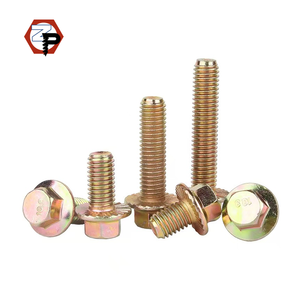
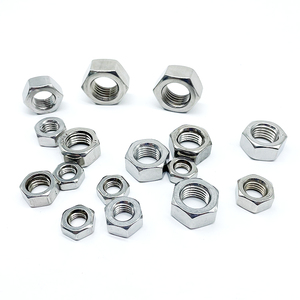
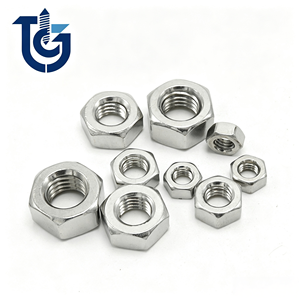
In high-humidity, marine-saline, and chemically volatile industrial environments—such as the coastal regions of Peninsular Malaysia, Sarawak, and Sabah—fastener integrity directly dictates facility uptime and operational safety. Cadmium plating (electro-deposited cadmium electroplating conforming to ASTM B766 and QQ-P-416 specifications) remains the definitive surface treatment for high-strength steel studs, structural bolts, and heavy hex nuts deployed in critical service joint configurations.
Information Gain Insight: Unlike standard zinc plating which forms bulky, brittle white rust corrosion products (zinc oxide/carbonate), cadmium corrodes sacrifcially into a smooth, thin, self-healing oxide film. This preserves precise thread pitch tolerances and ensures ultra-consistent torque-tension relationships during maintenance breakouts on offshore platforms.
Cadmium acts as an anodic sacrificial coating relative to iron and steel substrates. In the galvanic series of metals, cadmium occupies an electrochemical potential ideal for protecting carbon steel (ASTM A193 B7, A320 L7) and high-tensile alloy steels without inducing excessive consumption rates of the sacrificial layer itself.
Key metallurgical properties that make cadmium plated bolts indispensable to Malaysian engineering firms include:
A critical technical parameter evaluated by quality auditors at PETRONAS, Shell, and major Malaysian EPC contractors is the prevention of Hydrogen-Induced Cracking (HIC) or Hydrogen Embrittlement (HE) in electroplated fasteners with hardness exceeding 31 HRC (tensile strength > 1000 MPa, such as Grade 10.9, 12.9, ASTM A193 Grade B7, and ASTM A320 Grade L7).
During electroplating, atomic hydrogen gas is evolved at the cathode and can diffuse into the high-strength steel grain boundaries, leading to catastrophic sudden brittle fracture under operational tension. Our manufacturing facility enforces mandatory post-plating bake treatments in accordance with ASTM B242 and MIL-S-5002 specifications: fast transfer to thermal ovens within 4 hours of plating, maintaining 190°C to 220°C for a continuous duration of 23 hours. This guarantees total hydrogen degassing and zero field cracking risk.
To assist Malaysian procurement managers and corrosion engineers in material selection, the following data grid outlines key performance attributes across industrial plating finishes:
| Plating / Coating Type | Specification Compliance | Salt Spray Resistance (ASTM B117) | Friction Coeff (μ) | Anti-Galling Capability | Hydrogen Embrittlement Risk & Relief |
|---|---|---|---|---|---|
| Cadmium + Yellow Chromate | ASTM B766 Class 12 / QQ-P-416 Type II | 500 to 1,000+ Hours | 0.12 – 0.15 | Exceptional (Superior) | Controlled via 24hr De-embrittlement Bake |
| Hot-Dip Galvanizing (HDG) | ASTM A153 / ISO 1461 | 300 to 600 Hours | 0.20 – 0.28 | Moderate (Requires overtapping) | Zero electro-hydrogen risk (Acid pickling controls) |
| Fluoropolymer / PTFE (Xylan) | ASTM F1941 / Custom OEM | 1,000 to 3,000 Hours | 0.08 – 0.12 | Excellent | N/A (Cured at low-temp / mechanical pretreatment) |
| Zinc-Nickel Electroplate | ASTM B841 / ISO 15726 | 720 to 1,200 Hours | 0.15 – 0.18 | Good | Requires post-plate thermal baking |
Malaysia’s industrial ecosystem relies heavily on specialized chemical processes and marine operations. Cadmium plated bolts are custom-specified across key domestic industrial corridors:
Downstream crude refining, ethylene crackers, and aromatic units require flange bolting resistant to sulfurized atmospheres, hydrogen sulfide (H2S), and volatile organic vapors. Cadmium plated B7 studs withstand high heat cycles without thread galling during turnaround maintenance.
Offshore topside structures, riser clamps, and subsea manifold assemblies exposed to continuous tropical saltwater splash zones utilize Cadmium Type II Class 12 fasteners to prevent frozen joints and ensure structural integrity against cyclic wave action.
Malaysian shipyards mandate cadmium plated fasteners for engine mounts, shaft couplings, rudder assemblies, and deck cranes due to zero risk of localized pitting corrosion in humid marine microclimates.
Processing fatty acids, palm oil methyl esters (PME), and steam-heated saponification vessels subjects fasteners to organic acids and moisture. Cadmium plated heavy hex nuts prevent corrosion while maintaining smooth disassembly during routine boiler filter clearing.
The Malaysian industrial procurement landscape is currently undergoing significant structural shifts driven by rigorous safety frameworks and environmental standards:
Project operators working under PETRONAS frameworks strictly mandate full mill material traceability. Fastener shipments entering East and West Malaysian ports must be accompanied by EN 10204 Type 3.1 Certification detailing heat number, chemical ladle analysis, mechanical proof load, impact test values (Charpy V-Notch for low-temperature L7 studs), and non-destructive examination (NDE) reports.
With Malaysia’s commitment to ESG policies and the Department of Environment (DOE) Environmental Quality Act 1974 guidelines, modern cadmium plating processes utilize trivalent chromate conversion coatings (Cr3+ passivations) alongside closed-loop effluent recovery plants. This ensures end-users receive cadmium-plated hardware that meets stringent international safety mandates while protecting regional marine habitats.
To support emergency shutdown turnarounds in places like Kemaman Port or Bintulu Industrial Park, engineering firms require suppliers who offer quick-turn production of non-standard metric (M12 to M100) and imperial (1/4" to 4") stud lengths with specialized pitch threads (8-UN, UNC, UNF).
As a global exporter and specialized manufacturer supplying industrial buyers across Malaysia, our enterprise combines robust manufacturing capabilities with stringent testing standards:
Integrated Manufacturing Excellence: From raw bar stock verification via Positive Material Identification (PMI) to high-speed CNC thread rolling and automated electroplating, every manufacturing step is conducted under strict ISO 9001:2015 quality oversight.
Submit your specification, drawing, or bill of materials today. Our technical sales engineers will review your torque, temperature, and corrosion requirements and provide an expedited, factory-direct quotation.
Get a Quote