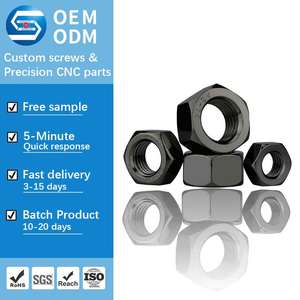

Explore our high-performance, precision-machined industrial fasteners and studs optimized for extreme offshore, marine, and high-temperature hydrocarbon environments across Doha and Qatar industrial cities.
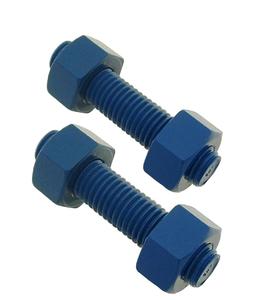
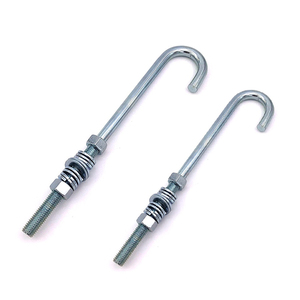
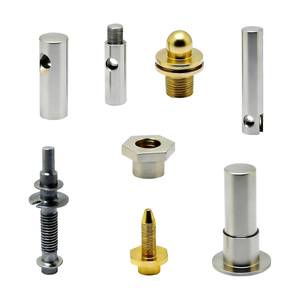
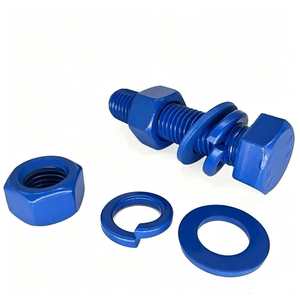
The industrial landscape of Doha and greater Qatar presents one of the most demanding environmental and operational challenges globally for structural integrity and mechanical bolting. Operating at the intersection of high ambient atmospheric temperatures (exceeding 50°C during peak summer months), extreme relative humidity, atmospheric salinity from the Arabian Gulf, and aggressive chemical exposures in liquefied natural gas (LNG) processing, standard fastener treatments suffer rapid breakdown. Structural bolting failure in flange connections, heat exchangers, subsea manifolds, and desalination pipelines typically stems from galvanic corrosion, hydrogen embrittlement, stress corrosion cracking (SCC), and severe thread galling.
As a leading ISO-certified coated fasteners manufacturer supplying Doha, our engineering framework integrates metallurgical precision with advanced surface barrier coatings. By controlling the synthesis of alloy substrate selection (such as ASTM A193 Grade B7, B16, Stainless 316/316L, and Super Duplex UNS S32750) and coupling it with inorganic ceramic, fluoropolymer (PTFE/Xylan®), and electrolytic electroplated coatings, we deliver bolt assembly systems engineered to withstand continuous salt fog exposure exceeding 3,000 hours under ASTM B117 testing standards.
To eliminate operational downtime and catastrophic flange leaks in Doha's energy sector, fastener coating choice must be matched to operational temperature, clamp load requirements, and environmental chemistry. Below is an engineering overview of key protective coatings manufactured in our facilities:
Comprising a multi-layer system (phosphate or zinc-nickel base coat followed by an organic PTFE topcoat), resin-bonded PTFE coating reduces thread friction to a consistent coefficient of 0.05 to 0.08. This ensures predictable torque-to-tension conversion during makeup, preventing galling on stainless steel and alloy studs while offering exceptional resistance to atmospheric marine corrosion.
Offering a superior alternative to traditional cadmium plating, Zinc-Nickel (12–15% Ni content) provides sacrificial barrier protection capable of enduring 1,500+ hours to red rust. It exhibits minimal risk of hydrogen embrittlement when properly baked, making it ideal for high-tensile Grade B7 stud bolts utilized in onshore refining facilities.
Forming a metallurgical bond with molten zinc, HDG provides robust mechanical impact protection for heavy structural steelwork, civil infrastructure, and port expansion projects around Doha Port and Ras Laffan. Oversized nut threading according to ASTM A563 is applied to accommodate zinc buildup without compromising thread engagement strength.
Selecting the optimal fastener grade and coating combination requires matching mechanical requirements against environmental exposure class. The matrix below serves as an engineering benchmark for procurement teams specifying hardware in Doha:
| Coating Type | Base Substrate Spec | Corrosion Resistance (ASTM B117) | CoF (Friction Factor) | Service Temp Range | Primary Doha Application |
|---|---|---|---|---|---|
| Blue PTFE / Xylan 1424 | ASTM A193 Gr. B7 / B7M | 3,000+ Hours | 0.06 - 0.08 | -196°C to +260°C | Offshore Flanges, North Field Gas Expansion |
| Electrolytic Zn-Ni Plating | ASTM A193 Gr. B16 / L7 | 1,500+ Hours | 0.12 - 0.15 | -50°C to +300°C | Hydrocarbon Refineries & Storage Tanks |
| Electropolished Stainless Steel | AISI 316L / DIN 934 SS | 2,000+ Hours (Marine) | 0.20 (Galling Risk) | -200°C to +400°C | Subsea Clamps & Desalination Intake Units |
| Hot-Dip Galvanized (HDG) | ASTM A325 / Class 8.8 | 1,000+ Hours | 0.18 - 0.22 | -40°C to +200°C | Civil Infrastructure & Power Substation Frameworks |
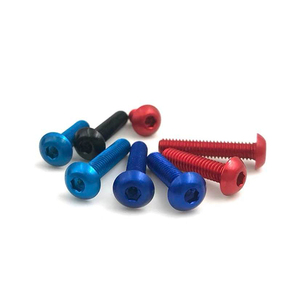
| Anodized Finish | Aluminum M3-M8 Alloy | 500+ Hours | 0.14 - 0.16 | -30°C to +150°C | Architectural Facades & Modular Enclosures |
Every major industrial sector in Qatar requires targeted fastener configurations to guarantee structural longevity and operational compliance with QatarEnergy and QCS (Qatar Construction Specifications) guidelines.
In the North Field Expansion and Ras Laffan offshore sectors, bolting operates under continuous splash zone exposure and sour gas (H2S) conditions. We supply ASTM A193 Grade B7M and Grade L7M studs coated with double-layer PTFE over an electroplated zinc-nickel sub-layer. This prevents sour gas cracking while permitting rapid dismounting during scheduled turnaround maintenance.
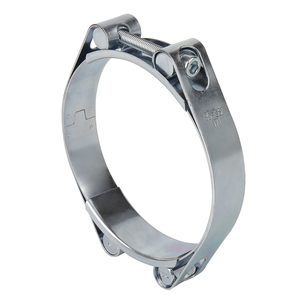
Desalination facilities along Qatar's coastline (such as Ras Abu Fontas) pump hyper-saline seawater at elevated temperatures. Fastening systems must withstand pitting corrosion and crevice corrosion. We provide AISI 316 / 316L Double Bolt Heavy Duty Clamps and Super Duplex UNS S32750 foundation bolts designed for submerged subsea intake pipelines and high-pressure Reverse Osmosis (RO) pump casings.
Major infrastructure projects in Doha—including Lusail City, Doha Metro extensions, and stadium precinct upkeep—require heavy structural bolting protected against ambient humidity and wind-blown dust abrasion. Our hot-dip galvanized anchor bolts and high-tensile structural hex nut packages deliver long-term support for highway bridges, utility vaults, and curtain wall facade mounting.
Procurement practices among Doha's Tier-1 EPC contractors and engineering houses are rapidly evolving driven by stringent safety mandates, environmental sustainability, and total cost of ownership (TCO) evaluation.
In alignment with global environmental standards and Qatar National Vision 2030 sustainability pillars, engineering specifications are phasing out toxic cadmium-plated fasteners. Modern project specifications explicitly mandate fluoropolymer-coated zinc-nickel or high-grade ceramic coated studs to eliminate heavy-metal contamination without compromising salt-spray endurance.
As Qatar expands deep reservoir gas drilling, fasteners specified for flange bolting must comply with strict hardness limits (maximum 22 HRC for Grade B7M studs and 2HM nuts). Our manufacturing facilities utilize precise tempering processes paired with 100% hardness testing to guarantee immunity to sulfide stress cracking in sour gas processing environments.
Modern EPC buyers serving Mesaieed Industrial City and Ras Laffan demand end-to-end digital traceability. Every lot exported from our factory carries unique heat-number stampings linked to chemical analysis, mechanical tension testing, impact toughness at sub-zero temperatures, and non-destructive testing (NDT) documentation.
With decades of specialized manufacturing experience, our production facility merges advanced CNC turning, thread rolling, heat treatment furnaces, and automated coating lines. We bridge the gap between heavy industrial manufacturing and localized regional delivery demands in the Middle East.
Our in-house metallurgical laboratory performs Positive Material Identification (PMI), optical emission spectrographic analysis, hydraulic tension testing, coating thickness measurement via magnetic gauge, and salt fog testing under ISO/IEC 17025 accredited procedures.
Beyond standard metric (DIN 934, ISO 4032) and imperial (ASME B18.2.1, B18.2.2) standards, our multi-axis CNC machines craft specialized locating shafts, heavy-duty clamp components, and non-standard thread pitches tailored to client engineering drawings.
Recognizing the cost of project downtime, we maintain robust logistics channels delivering air and sea freight shipments directly to Hamad Port or Doha Free Zones with seaworthy, moisture-proof export packaging.
Technical clarity for procurement engineers and quality assurance teams specifying coated industrial fasteners.
Connect with our senior engineering team to discuss material specifications, coating requirements, pricing, and export schedules tailored to your project requirements in Qatar.
Get a Quote