
High-integrity bolting solutions manufactured to ASTM, ASME, DIN, and ISO standards for marine, offshore, and petrochemical applications.
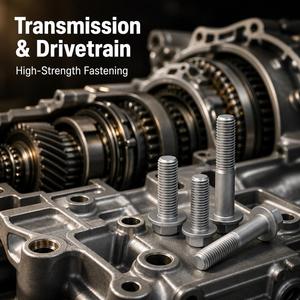
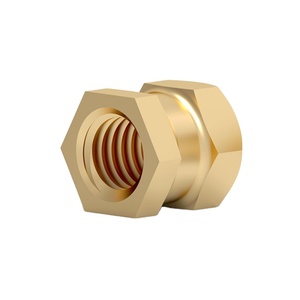
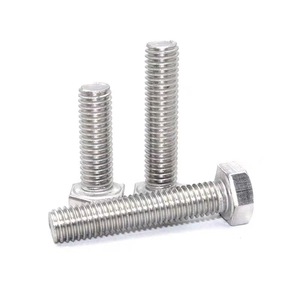
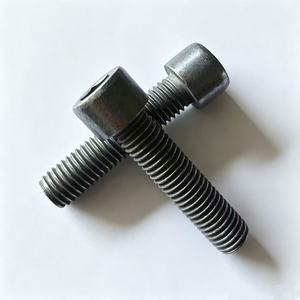
As Victoria expands its maritime operations, coastal infrastructure, chemical refining corridors, and emerging green hydrogen export channels, the demand for ultra-high performance corrosion-resistant fasteners has hit an all-time peak. Melbourne’s coastal microclimate—characterized by high-salinity air from Port Phillip Bay, variable tidal dynamics in the Bass Strait, and heavy chemical processing in industrial zones like Altona—presents severe degradation challenges to standard marine-grade stainless steels (such as 304 and 316L).
Standard austenitic stainless steels frequently succumb to Chloride Stress Corrosion Cracking (CSCC), pitting corrosion, and crevice attack under thermal stress. Monel alloys—primarily Monel 400 (UNS N04400 / 2.4360) and age-hardened Monel K-500 (UNS N05500 / 2.4375)—provide near-complete immunity to chloride-induced stress corrosion cracking while offering superior yield strength and toughness across cryogenic to elevated temperature ranges. This technical whitepaper establishes the procurement benchmarks, technical specifications, and key exporter selection criteria for engineering firms, EPC contractors, and maintenance teams operating in the Melbourne market.
Monel stud bolts, heavy hex nuts, and threaded rods perform critical structural and pressure-containing roles across several core industrial nodes within the State of Victoria:
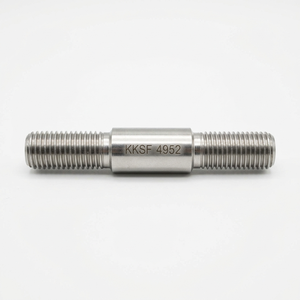
As Australasia's largest maritime hub for containerized and general cargo, Melbourne's dock infrastructure requires fasteners that endure constant splash-zone aeration and tidal submergence. Monel 400 stud bolts are extensively specified in submarine piling, dock winches, mooring bollard anchor bolts, and seawater intake pumps where bio-fouling and velocity-assisted erosion quickly destroy lesser alloys.
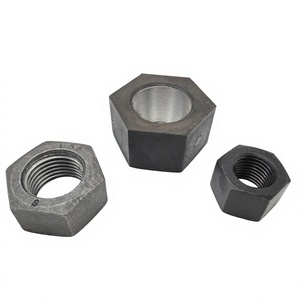
The Altona industrial corridor houses critical chemical manufacturing and fuel processing units. Monel 400 displays exceptional resistance to hydrofluoric acid (HF), sulfuric acid, and alkaline solutions. Monel stud bolts coupled with Heavy Hex Nuts (ASTM A194 Grade 8M or Monel 400) seal high-pressure heat exchanger flanges, hydro-cracking columns, and aggressive chemical transport lines.
Offshore oil, gas, and proposed offshore wind platforms operating in the Bass Strait face extreme mechanical loading combined with highly aggressive marine atmospheres. Age-hardened Monel K-500 stud bolts deliver the high tensile capacity required for subsea wellheads, riser flanges, and marine valve actuators without risk of hydrogen embrittlement or chloride pitting.
Municipal water security initiatives in Victoria depend heavily on reverse osmosis desalination plants and large-scale wastewater treatment facilities. Monel fasteners resist high-concentration brine solutions, hypochlorite dosing systems, and acidic sludges where 316 stainless bolts experience rapid crevice corrosion behind gaskets.
Engineers and procurement teams in Melbourne must select the exact grade based on mechanical load requirements and environmental exposure parameters:
| Property / Feature | Monel 400 (UNS N04400 / 2.4360) | Monel K-500 (UNS N05500 / 2.4375) |
|---|---|---|
| Chemical Composition | 63-70% Ni, 28-34% Cu, Fe 2.5%, Mn 2.0% | 63-70% Ni, 27-33% Cu, Al 2.3-3.15%, Ti 0.35-0.85% |
| Yield Strength (0.2% Offset) | 240 - 340 MPa (Soft/Annealed) | 690 - 960 MPa (Age-Hardened) |
| Tensile Strength (Min) | 550 MPa (80 ksi) | 965 - 1100 MPa (140-160 ksi) |
| Hardness (Rockwell) | HRB 70 - 85 | HRC 28 - 38 |
| Corrosion Resistance Profile | Superior in rapidly flowing seawater, HF acid, alkalis | Equal to Monel 400, but higher risk of SCC if un-aged |
| Primary Fastener Application | Piping flanges, heat exchangers, marine valves | Subsea shafts, high-tensile bolting, pump shafts |
| Applicable ASTM Standards | ASTM B164 (Bar), ASTM F468 (Fasteners) | ASTM B865 (Bar), ASTM F468 Alloy N05500 |
The Victorian industrial landscape is undergoing a structural shift driven by decarbonization, circular economy mandates, and defense infrastructure modernizations. Key trends shaping Monel procurement include:
To ensure structural integrity and prevent catastrophic joint failures, engineering buyers in Melbourne evaluate global manufacturers against a rigorous E-E-A-T (Experience, Expertise, Authoritativeness, Trustworthiness) scorecard:
Manufacturers must provide EN 10204 3.1 Material Test Certificates (MTC) detailing exact chemical melt heats from ISO/IEC 17025 accredited laboratories.
Cold-rolled threads rather than cut threads are mandatory to ensure continuous grain flow, superior fatigue life, and resistance to galling under high torque.
Fasteners destined for Melbourne Ports require seaworthy heat-treated ISPM-15 wooden cases with moisture-vapor barrier lining to prevent transit oxidation.
As a premiere supplier of specialized industrial fasteners to international markets—including Australia, the UAE, Germany, and the USA—our manufacturing infrastructure guarantees uncompromising precision for critical Melbourne projects:
Frequently asked questions by Australian procurement directors, quality inspectors, and marine engineers:
Need engineered Monel 400 / K-500 stud bolts, heavy hex nuts, or customized exotic alloy fasteners? Contact our technical sales team for immediate pricing, engineering drawings verification, and lead-time confirmation.